The right treatment depends on where the fibroid sits, whether it is causing anaemia or fertility problems, and how much it affects daily life—not on size alone. You will learn which warning signs need prompt care, how doctors confirm the diagnosis, and how to compare medicines, procedures and surgery before choosing a treatment plan.
Key takeaways
- Seek assessment for heavy bleeding, pelvic pressure, pain, infertility, or anaemia symptoms.
- Ultrasound maps each fibroid’s size, number, and position before treatment decisions.
- Monitoring or medication may suit small, stable fibroids without severe symptoms.
- Ask how each procedure affects fertility, hospital stay, pain, and recovery time.
Which fibroid symptoms need medical assessment?
Persistent bleeding, pelvic pain, pressure, infertility concerns, or anaemia symptoms need medical assessment; the fibroid’s location often explains which symptoms appear.
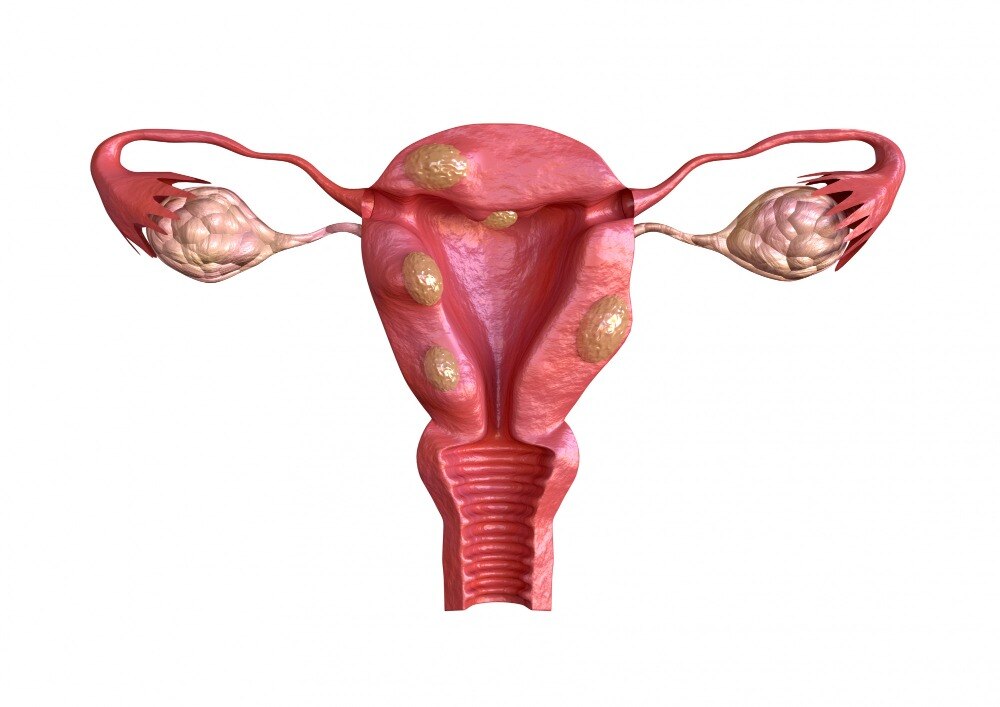
| Location | Where it grows | Symptoms it can cause |
|---|---|---|
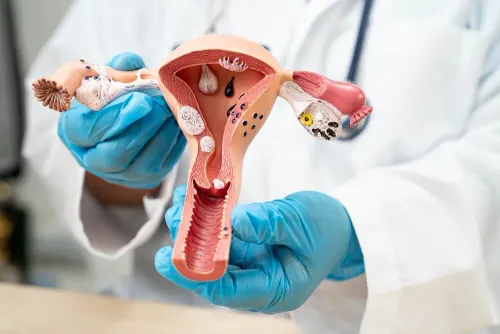
| Intramural | Within the uterine muscle | Heavy bleeding, pain or pressure, depending on size and position |
| Submucosal | Projects into the uterine cavity | Heavy menstrual bleeding, iron-deficiency anaemia and fertility problems |
| Subserosal | Grows toward the outer uterine surface | Pressure on the bladder or bowel; bleeding may not be the main complaint |
Adenomyosis, endometriosis, ovarian cysts and uterine polyps can resemble fibroid symptoms. Heavy bleeding can also cause iron-deficiency anaemia, leading to fatigue, dizziness, breathlessness or paleness. Bleeding during pregnancy has a different risk profile and needs assessment rather than an assumption that a fibroid is responsible.
Arrange an appointment if symptoms persist, affect daily life, or you are struggling to conceive. Seek urgent assessment for:
- Pads becoming rapidly soaked
- Fainting or near-fainting
- Severe, sudden pelvic pain
- Bleeding when pregnancy is possible
Bleeding after menopause and a growing pelvic or abdominal mass also require examination. Fibroids are usually benign, but not every mass is a fibroid. If you are considering fibroid treatment in Thane, take these symptoms and their timing to the consultation.
How are fibroids diagnosed and mapped before treatment?
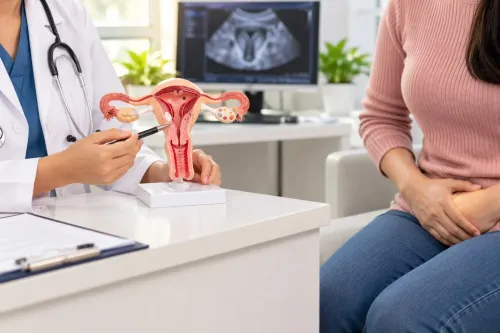
Diagnosis starts with your symptoms and a map of the uterus, not simply a test showing that fibroids exist. Tell the clinician your cycle length, bleeding volume, clots, pain, pressure, fertility plans and previous pregnancies; pregnancy testing is relevant when pregnancy is possible.
- The clinician may perform a pelvic examination to assess uterine size, tenderness and an abnormal mass.
- Heavy bleeding calls for a complete blood count and iron assessment, such as ferritin, when iron deficiency is suspected. Treating anaemia matters alongside treating the fibroid.
- Transvaginal ultrasound usually provides the first view of the uterus, including fibroid number, size and position. Abdominal ultrasound adds information when the uterus is enlarged or a mass extends beyond the pelvis.
- Saline infusion sonography places sterile saline inside the uterus during ultrasound, outlining a fibroid that projects into the cavity. Hysteroscopy uses a camera through the cervix to inspect that cavity directly and, when suitable, remove a cavity-based fibroid.
- MRI helps when ultrasound is inconclusive, several fibroids need detailed mapping before treatment, or adenomyosis and another diagnosis need consideration.
Ask a fibroid doctor in Thane to document each fibroid’s number, measurements, location, cavity involvement and relationship to the uterine wall. Those details determine whether bleeding, pressure, fertility concerns or pain plausibly comes from the fibroid and which treatment routes remain practical.
When is monitoring or medication enough?
Symptom-free fibroids can be monitored with clinical review and repeat imaging when advised. Treatment becomes more important when heavy bleeding, pain, pressure, infertility, anaemia or rapidly worsening symptoms affect your health or quality of life.
| Option | Main purpose | Important limitation |
|---|---|---|
| Tranexamic acid | Reduces menstrual blood loss | Controls bleeding but does not remove fibroids |
| Non-steroidal anti-inflammatory drugs | Relieve cramps and pelvic pain | Do not shrink fibroids; check suitability if you have ulcers, kidney disease or certain other conditions |
| Combined hormonal contraception, progestin therapy or a levonorgestrel intrauterine system | Controls heavy bleeding | May not improve pressure symptoms or permanently treat the fibroid |
| GnRH medicines | Temporarily suppress ovarian hormones and may shrink fibroids | Defined-duration use is common because hot flushes, vaginal dryness and bone-loss concerns limit long-term treatment; add-back hormonal therapy can reduce these effects |
| Newer oral fibroid medicines, including oral GnRH antagonist combinations | Reduce bleeding and sometimes fibroid-related symptoms | Availability, eligibility and monitoring requirements vary |
Medicines usually manage symptoms rather than permanently remove fibroids, and symptoms can return after treatment stops. Ask for a complete blood count and iron assessment when bleeding is heavy; iron treatment and correction of anaemia matter alongside fibroid care.
Anyone considering uterine fibroid treatment in Thane should discuss fertility plans, symptom severity and follow-up before choosing observation or medication.
How do fibroid procedures compare for fertility and recovery?
The procedure should match the fibroid’s location, your pregnancy plans and the recovery you can manage. “Minimally invasive” does not guarantee fewer complications, immediate exercise or a faster return to work.
| Option | Fertility and uterus | Recovery and trade-offs |
|---|---|---|
| Hysteroscopic removal | Suits submucosal fibroids inside or protruding into the uterine cavity; preserves the uterus. | No abdominal incision and often a short recovery, but it cannot treat every size or location. Discuss bleeding, infection and fluid-related complications. |
| Myomectomy | Removes fibroids while retaining the uterus, which can support uterine-preservation and fertility goals. New fibroids can develop. | Hysteroscopic and laparoscopic routes usually recover faster than open abdominal surgery. Open myomectomy usually requires more recovery and may involve greater pain and activity restriction. |
| Uterine artery embolisation | Cuts blood flow to fibroids without removing the uterus, but future-pregnancy evidence is less certain than for myomectomy. | Recovery includes post-procedure pain and fatigue; discuss ovarian or uterine complications and alternatives if pregnancy is a goal. |
| Radiofrequency ablation | Uses heat to destroy fibroid tissue while preserving the uterus. Fertility evidence depends on the device, fibroid pattern and individual plans. | Recovery varies; confirm exercise, sex and work restrictions and the known complications for the proposed device. |
| Hysterectomy | Removes the uterus, preventing uterine fibroid recurrence and permanently ending the ability to carry a pregnancy. | Definitive treatment, but recovery and complications depend on the surgical route. |
Before choosing a fibroid treatment hospital in Thane, compare expected return to work, exercise restrictions, complications and recurrence with the treating surgeon, not just the procedure’s label.
How should you choose a fibroid treatment plan in Thane?
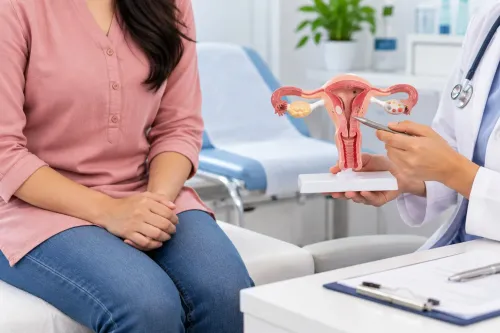
Turn the consultation into a decision, not a diagnosis. Ask which symptom the plan targets, whether the fibroid’s location explains it, what the ultrasound or MRI shows, and whether anaemia needs treatment first.
| Option | When it may fit | Key question |
|---|---|---|
| Observation | Few or no symptoms | When is repeat imaging due? |
| Medicines | Bleeding or pain | Will this control symptoms or treat anaemia? |
| Hysteroscopic removal | Fibroid inside or projecting into the cavity | Is its size suitable without abdominal surgery? |
| Myomectomy | Uterus preservation or fertility goals | Would hysteroscopic, laparoscopic or open surgery be safest? |
| Embolisation | Symptom relief without removing the uterus | What is known about pregnancy afterward? |
| Radiofrequency ablation | Selected fibroid patterns | What are the device-specific fertility limits? |
| Hysterectomy | Definitive treatment when pregnancy is not wanted | What permanent effects follow? |
If you want a future pregnancy, ask how each option affects conception, pregnancy and delivery, and whether a uterine-preserving route is appropriate. Confirm hospital stay, pain control, restrictions on sex and exercise, return-to-work range, follow-up imaging, recurrence risk and warning signs such as heavy bleeding, fever or worsening pain.
A fibroid doctor in Thane or fibroid treatment hospital in Thane should review imaging, manage anaemia, discuss fertility, provide the relevant route and arrange follow-up. Dr. Chandavakar's Apeksha Maternity & Nursing Home can be compared with other providers using these questions when choosing uterine fibroid treatment in Thane.
Related services
Fibroids Treatment Dr. Madhura Chandavarkar at Apeksha Maternity and Nursing Home offers comprehensive diagnosis and treatment for uterine fibroids, which are... View service → |
Menstrual Disorders Management Menstrual Disorders Management Dr. Madhura Chandavarkar at Apeksha Maternity and Nursing Home provides expert care for women requiring uterus removal surgery (hysterectomy) due to... View service → |
Frequently asked questions
Which fibroid symptoms need medical assessment?
Arrange a gynaecological assessment for persistent heavy or prolonged bleeding, pelvic pain, abdominal pressure, frequent urination, constipation, difficulty conceiving, or symptoms of anaemia such as fatigue, dizziness, and breathlessness.
How are fibroids diagnosed and mapped before treatment?
A pelvic examination and ultrasound usually identify fibroids. The report should record their number, size, and location, including whether they are submucosal, intramural, or subserosal. MRI may be recommended when ultrasound does not show the uterine anatomy clearly or surgery needs detailed planning.
When is monitoring or medication enough?
Monitoring can suit fibroids that cause no symptoms or remain stable on follow-up imaging. Medication can reduce bleeding or pain but does not remove fibroids. Reassessment is needed if symptoms worsen, anaemia develops, the uterus enlarges, or fertility plans change.
How do fibroid procedures compare for fertility and recovery?
Myomectomy removes fibroids while preserving the uterus and is the main surgical option when future pregnancy matters. Hysteroscopic myomectomy treats selected fibroids inside the uterine cavity, while laparoscopic or open myomectomy treats fibroids in the uterine wall or outer surface. Recovery, hospital stay, and pregnancy advice depend on the procedure and fibroid location.
How should you choose a fibroid treatment plan in Thane?
Choose a fibroid doctor in Thane who reviews your symptoms, ultrasound or MRI findings, haemoglobin level, pregnancy plans, and prior treatments. Ask whether the recommended option is medication, monitoring, hysteroscopic surgery, laparoscopic surgery, open surgery, or another procedure, and request expected recovery time, risks, costs, and follow-up details.
Keywords