Ovarian cysts are common and, in many cases, harmless. Many women develop small cysts during their menstrual cycle that disappear naturally without treatment. However, some cysts continue to grow, cause persistent symptoms, or develop characteristics that require surgical removal.
Knowing when ovarian cyst surgery becomes necessary helps women avoid complications while ensuring appropriate treatment at the right time.
What Are Ovarian Cysts?
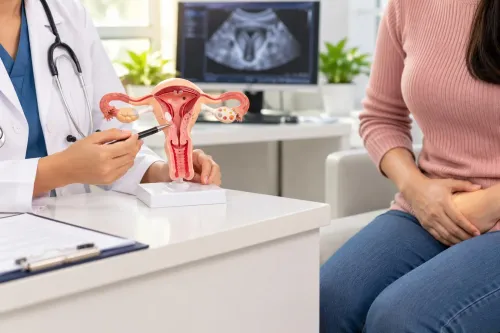
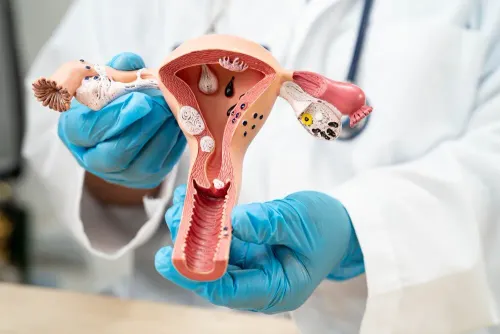
An ovarian cyst is a fluid-filled sac that develops on or inside an ovary. Most cysts are functional, meaning they form as part of the normal menstrual cycle and usually resolve on their own.
Other cysts may arise from conditions such as endometriosis, dermoid cysts, or benign ovarian tumors, requiring closer medical evaluation.
Symptoms That Should Not Be Ignored
Many ovarian cysts produce no symptoms. Others may cause noticeable discomfort, including:
- Persistent pelvic pain
- Lower abdominal heaviness
- Bloating
- Pain during intercourse
- Irregular menstrual cycles
- Painful periods
- Frequent urination due to pressure
- Sudden severe abdominal pain in emergency situations
Any persistent or worsening symptoms should be assessed by a gynecologist.
When Is Surgery Recommended?
Doctors may advise surgery if:
- The cyst is large
- It continues to increase in size
- Symptoms significantly affect daily life
- The cyst appears complex on imaging
- There is suspicion of ovarian torsion
- The cyst ruptures
- There is concern about malignancy
- Conservative treatment has not been effective
The decision is always based on a combination of symptoms, imaging findings, age, and reproductive plans.
Surgical Options
Several surgical approaches are available depending on the nature of the cyst.
Laparoscopic Ovarian Cyst Surgery
This minimally invasive procedure is commonly used for benign ovarian cysts. Small incisions allow surgeons to remove the cyst while preserving as much healthy ovarian tissue as possible.
Open Surgery
Larger or more complex cysts may require conventional surgery to ensure complete removal and patient safety.
The primary objective is always to provide effective treatment while protecting long-term ovarian function whenever possible.
Benefits of Timely Surgical Treatment
Appropriate surgical management offers several important advantages.
These include:
- Relief from pelvic pain
- Prevention of ovarian torsion
- Reduced risk of cyst rupture
- Preservation of healthy ovarian tissue
- Improved fertility in selected patients
- Accurate diagnosis through laboratory examination
Early intervention also reduces the likelihood of emergency surgery in certain situations.
Recovery After Surgery
Recovery depends on the surgical technique and the patient's overall health.
Most women experience:
- Mild postoperative discomfort
- Short hospital stay after minimally invasive surgery
- Gradual return to routine activities
- Follow-up scans when necessary
- Personalized advice regarding exercise and work
Following postoperative instructions helps ensure smooth healing and minimizes complications.
Will Surgery Affect Fertility?
One of the most common concerns among younger women is whether ovarian cyst surgery will affect their ability to conceive.
In many cases, surgeons carefully remove only the cyst while preserving healthy ovarian tissue. Fertility preservation is an important consideration, particularly for women planning future pregnancies.
The surgical approach is individualized to balance effective treatment with long-term reproductive health.
Selecting the Right Hospital
Choosing a hospital with expertise in minimally invasive gynecological surgery provides access to comprehensive diagnosis, advanced imaging, experienced surgeons, and coordinated postoperative care.
Dr. Chandavakar's Apeksha Maternity and Nursing Home offers comprehensive evaluation and ovarian cyst surgery for women in Thane, with treatment plans tailored to each patient's symptoms, age, fertility goals, and overall health. The focus remains on delivering safe, evidence-based care while preserving reproductive function whenever possible.
Although many ovarian cysts can be managed without surgery, timely medical evaluation is essential when symptoms persist or imaging suggests a more complex condition. Early diagnosis and appropriate treatment help women protect both their immediate health and their future well-being.
Keywords