Cervical cancer is one of the few cancers that can often be prevented or detected at an early stage through routine screening. Despite this, many women delay testing because they have no symptoms, feel anxious about the procedure, or are unsure about when screening should begin.
A PAP smear and cervical cancer screening are simple yet highly effective tools for identifying abnormal cervical cell changes before they develop into cancer. For women in Thane, regular screening is an important part of preventive healthcare that supports long-term reproductive wellness.
Why Cervical Cancer Screening Is So Important
Unlike many health conditions that produce early warning signs, cervical cancer often develops silently. Abnormal cervical cells can remain unnoticed for years before progressing into cancer.
Routine screening helps doctors:
- Detect abnormal cervical cells early
- Identify precancerous changes
- Monitor women at increased risk
- Begin treatment before cancer develops
- Reduce the likelihood of advanced disease
Early detection is associated with better treatment outcomes and less invasive management.
What Is a PAP Smear?
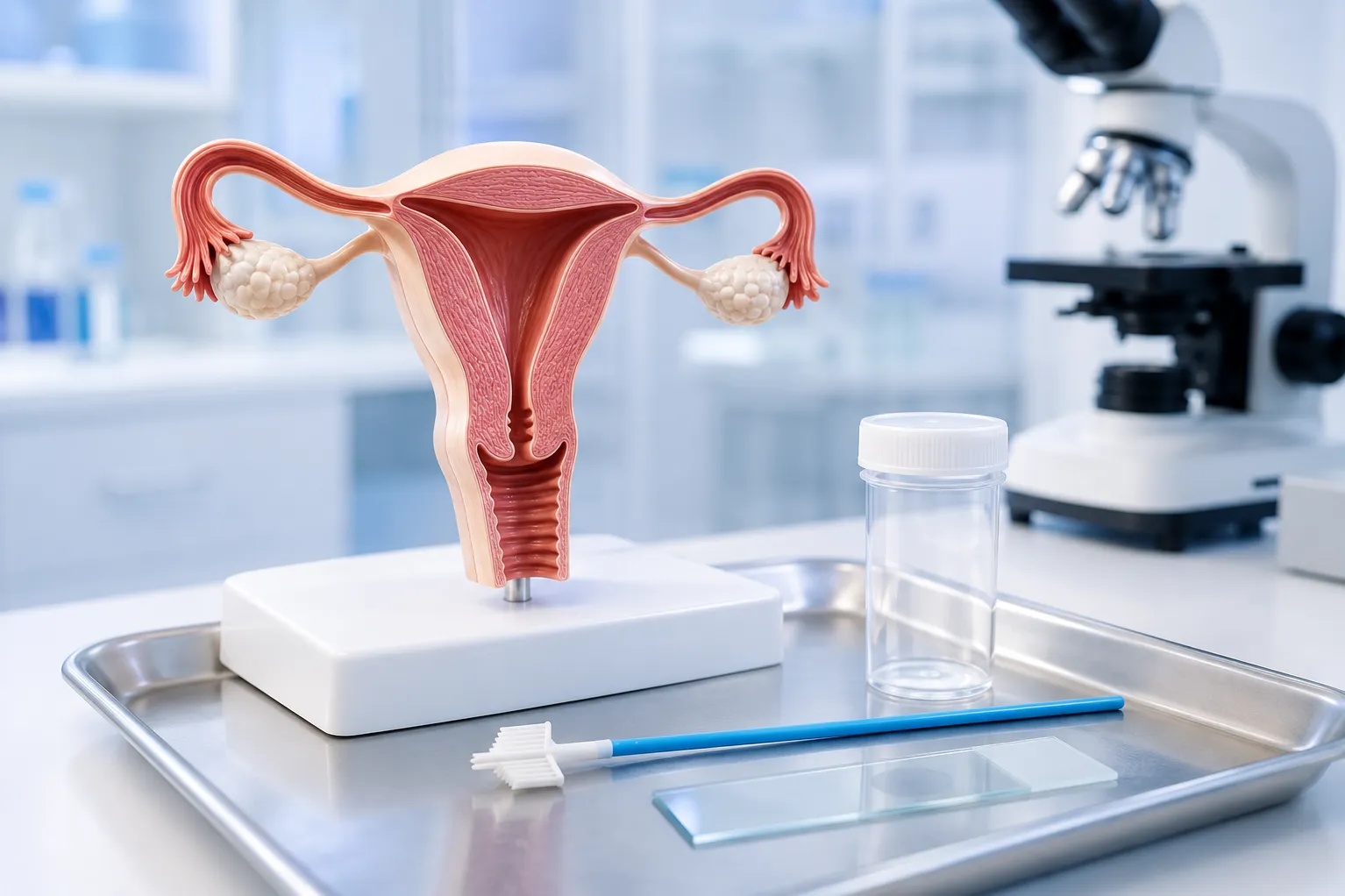
A PAP smear, also known as a Pap test, is a screening procedure used to collect a small sample of cells from the cervix. These cells are examined in a laboratory to check for abnormal changes that could indicate precancerous conditions or, less commonly, cervical cancer.
The procedure is usually completed within a few minutes during a routine gynecological examination.
Who Should Have Cervical Cancer Screening?
Screening recommendations may vary depending on age, medical history, and previous test results. In general, women should discuss screening with their gynecologist if they:
- Are 21 years of age or older
- Are sexually active
- Have never had a PAP smear
- Have previously had abnormal PAP test results
- Have a weakened immune system
- Have a family history of cervical cancer
- Have persistent HPV infection
Your doctor will recommend an appropriate screening schedule based on your individual health profile.
Does the Test Hurt?
One of the most common concerns is whether a PAP smear is painful.
Most women experience:
- Mild pressure during the examination
- Slight temporary discomfort
- Minimal or no pain
- No need for anesthesia
- Immediate return to normal activities
Being relaxed during the examination often makes the procedure more comfortable.
How to Prepare for a PAP Smear
To improve the accuracy of the test, doctors may recommend:
- Scheduling the appointment when you are not menstruating
- Avoiding vaginal medications for a short period before the test unless advised otherwise
- Avoiding sexual intercourse for 24–48 hours before the appointment
- Informing your doctor about pregnancy or previous cervical procedures
Following these simple guidelines helps ensure reliable test results.
Understanding the Results
Receiving an abnormal PAP smear result does not automatically mean cancer is present.
Results may indicate:
- Normal cervical cells
- Mild cellular changes
- HPV-related changes
- Precancerous abnormalities
- The need for additional investigations such as colposcopy
Your gynecologist will explain the findings and recommend the most appropriate next steps if further evaluation is necessary.
Why Regular Screening Matters Even Without Symptoms
Many women postpone screening because they feel healthy. However, cervical cell changes often occur long before symptoms appear.
Regular screening is important because it:
- Detects changes early
- Supports timely treatment
- Helps prevent cervical cancer
- Offers reassurance when results are normal
- Becomes part of routine preventive healthcare
Consistent screening remains one of the most effective ways to reduce cervical cancer risk.
Choosing a Women's Health Centre for Preventive Screening
Preventive healthcare should be provided in a setting where women feel comfortable discussing their concerns and asking questions.
A reliable healthcare provider should offer:
- Experienced gynecologists
- Private consultation
- Accurate laboratory support
- Clear explanation of results
- Appropriate follow-up care
- Preventive health counselling
Women benefit from choosing a centre that focuses on long-term reproductive health rather than treating illness alone.
Dr. Chandavakar's Apeksha Maternity and Nursing Home offers PAP smear and cervical cancer screening services for women in Thane as part of its comprehensive preventive gynecology program. The team emphasizes early detection, patient education, and individualized follow-up to support lifelong women's health.
Routine cervical screening is a simple step that can have a lasting impact. Scheduling regular PAP smears according to your doctor's recommendations helps detect abnormalities early and provides greater confidence in your reproductive health.
Keywords