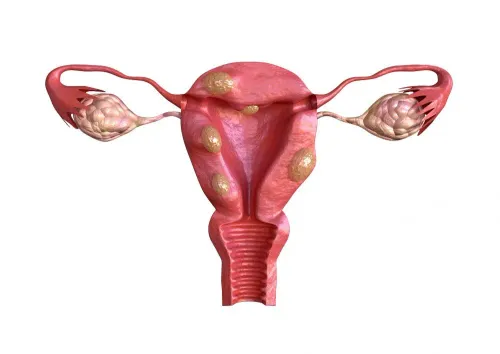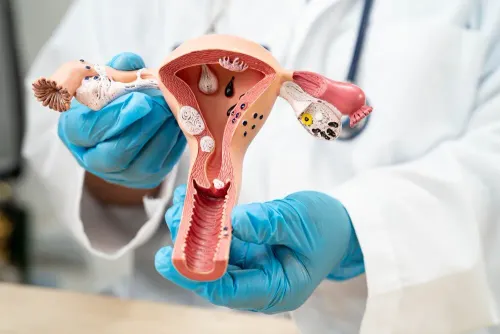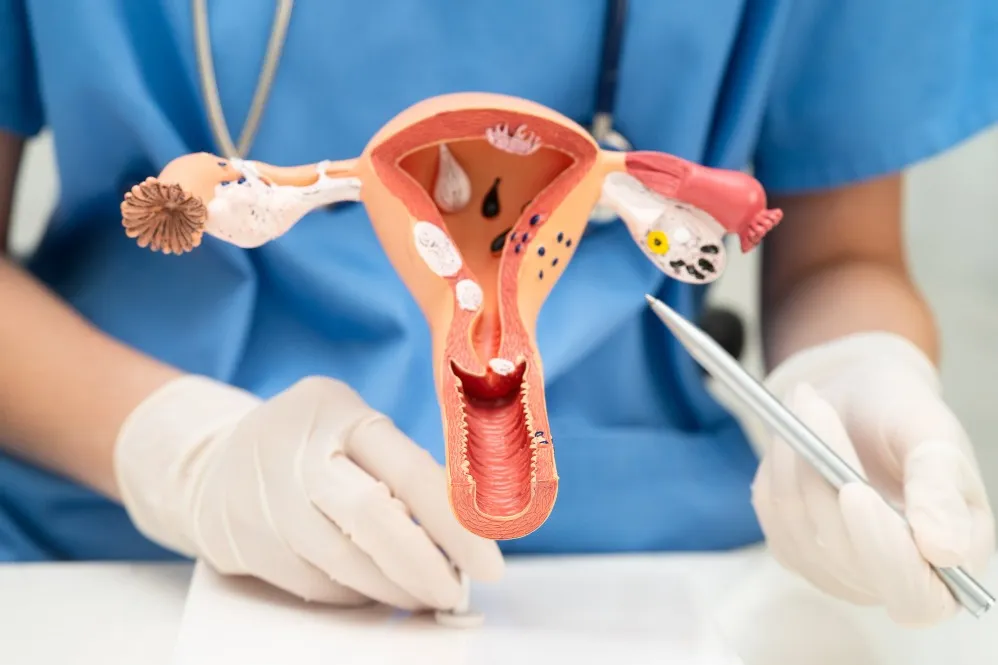
Fibroids are non-cancerous growths that develop in or around the uterus. Many cause no symptoms and need only monitoring. Others can lead to heavy periods, pelvic pressure, pain, anaemia, fertility concerns, or difficulty carrying a pregnancy.
Women considering fibroid removal and myomectomy in Thane should know that treatment depends on symptoms and fibroid characteristics, not simply their presence on an ultrasound report.
When Do Fibroids Need Treatment?
Observation may be appropriate when fibroids are small, stable, and not causing meaningful symptoms. Treatment is more likely to be discussed when a patient has:
- Heavy or prolonged menstrual bleeding
- Iron-deficiency anaemia
- Persistent pelvic pain or pressure
- Frequent urination caused by pressure
- Abdominal enlargement
- Difficulty conceiving in selected situations
- Recurrent pregnancy problems potentially related to fibroid location
- Rapidly worsening symptoms
- Reduced quality of life
The size, number, position, and growth pattern of fibroids help guide recommendations.
What Is a Myomectomy?
Myomectomy removes fibroids while preserving the uterus. It differs from hysterectomy, which removes the uterus. Myomectomy may therefore be considered by women who want future pregnancy or prefer uterine preservation.
There are several surgical approaches.
Hysteroscopic Myomectomy
Fibroids projecting into the uterine cavity may be removed through the vagina and cervix using a hysteroscope. No abdominal incision is required.
Laparoscopic or Robotic Myomectomy
Selected fibroids can be removed through small abdominal incisions using conventional laparoscopic or robotic-assisted instruments.
Open Myomectomy
A larger abdominal incision may be appropriate for numerous, very large, deeply located, or technically complex fibroids.
One approach is not universally superior. The objective is to remove relevant fibroids safely and reconstruct the uterus appropriately.
Myomectomy Compared With Hysterectomy
Myomectomy preserves the uterus, but fibroids may develop again because uterine tissue remains. Hysterectomy provides definitive removal of the uterus and eliminates future pregnancy.
The choice can depend on:
- Age and future fertility plans
- Desire to preserve the uterus
- Fibroid burden and location
- Severity of bleeding or pressure
- Previous treatment
- Other uterine conditions
- Surgical and anaesthetic risk
Patients should also ask how a myomectomy may affect the management of a future pregnancy and delivery.
Preparing for the Consultation
Bring ultrasound or MRI reports, blood counts, details of bleeding, pregnancy history, fertility plans, previous surgery notes, and a current medicine list.
Ask the gynaecologist:
- Which fibroid is causing my symptoms?
- Is observation still reasonable?
- Could medicine control the bleeding?
- Is myomectomy appropriate?
- Which surgical route is recommended?
- What is the likelihood of recurrence?
- How long should I wait before trying to conceive?
- Could the operation affect future delivery planning?
Dr. Chandavakar's Apeksha Maternity and Nursing Home assesses symptomatic fibroids and uterus-preserving surgical options for women in Thane. Recommendations are based on the fibroids’ location and clinical impact rather than imaging alone.
Fibroid surgery should solve a defined problem. A careful evaluation helps patients avoid both unnecessary intervention and prolonged suffering from symptoms that deserve active treatment.
Keywords