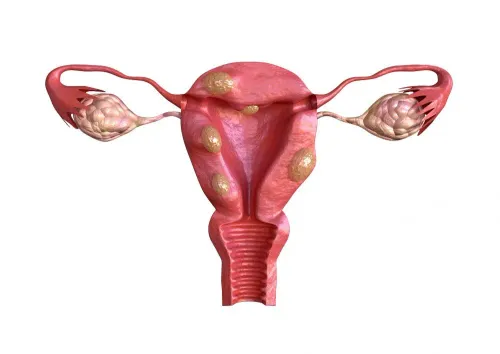
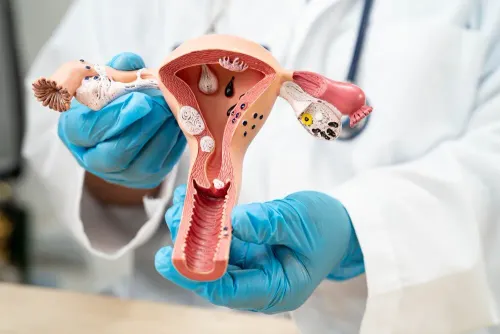
Advances in gynecological care have made it possible to diagnose and treat many uterine conditions without major surgery. Hysteroscopic surgery is one such minimally invasive procedure that allows doctors to examine and treat the inside of the uterus using a thin, lighted instrument called a hysteroscope.
For women experiencing abnormal bleeding, infertility, or recurrent pregnancy loss, hysteroscopic surgery can provide both an accurate diagnosis and effective treatment while offering faster recovery than traditional surgical methods.
What Is Hysteroscopic Surgery?
Hysteroscopic surgery is a procedure in which a hysteroscope is gently inserted through the cervix into the uterus. Since there are no external incisions, patients generally experience less discomfort and quicker healing.
The camera attached to the hysteroscope provides a magnified view of the uterine cavity, allowing the gynecologist to identify abnormalities with precision.
Depending on the findings, treatment can often be performed during the same procedure.
Conditions That Can Be Treated
Hysteroscopic surgery is commonly recommended for several gynecological conditions, including:
- Uterine polyps
- Submucosal fibroids
- Uterine septum
- Intrauterine adhesions
- Retained pregnancy tissue
- Abnormal uterine bleeding
- Certain causes of infertility
- Evaluation of recurrent miscarriage
The suitability of the procedure depends on the size, location, and nature of the condition being treated.
Common Symptoms That May Require Evaluation
Women experiencing the following symptoms should consult a gynecologist for further assessment:
- Heavy menstrual bleeding
- Irregular menstrual cycles
- Bleeding between periods
- Postmenopausal bleeding
- Difficulty conceiving
- Repeated miscarriages
- Pelvic discomfort
While these symptoms do not always require surgery, hysteroscopy can help determine the exact cause.
Advantages of Hysteroscopic Surgery
Compared to conventional open procedures, hysteroscopic surgery offers several important benefits.
These include:
- No external surgical cuts
- Better visualization of the uterine cavity
- Accurate diagnosis
- Simultaneous treatment during the procedure
- Minimal blood loss
- Lower risk of complications
- Reduced hospital stay
- Faster return to daily activities
These advantages make it a preferred option for appropriately selected patients.
What Happens During the Procedure?
Before surgery, the doctor reviews your medical history and may recommend blood tests or imaging studies.
During the procedure:
- The patient receives appropriate anesthesia when required.
- The hysteroscope is inserted through the cervix.
- The uterine cavity is examined carefully.
- Specialized instruments may be used to remove polyps, fibroids, adhesions, or other abnormalities.
- The hysteroscope is removed after treatment is completed.
Many procedures are completed within a short period, depending on their complexity.
Recovery After Hysteroscopic Surgery
Recovery is usually quicker than traditional surgery because no abdominal incision is involved.
Most women can expect:
- Mild cramping for a short duration
- Light spotting for a few days
- Early return to routine activities
- Minimal postoperative discomfort
The gynecologist will provide individualized advice regarding physical activity, medications, and follow-up appointments.
Is Hysteroscopic Surgery Safe?
Like any medical procedure, hysteroscopic surgery carries some risks, but serious complications are uncommon when performed by experienced specialists.
Following preoperative instructions and attending scheduled follow-up visits help ensure smooth recovery.
Patients should immediately report severe pain, heavy bleeding, fever, or unusual discharge after the procedure.
Choosing an Experienced Gynecological Team
The success of hysteroscopic surgery depends not only on technology but also on the expertise of the treating gynecologist. Hospitals equipped with modern diagnostic facilities and minimally invasive surgical expertise are better positioned to provide comprehensive care.
Dr. Chandavakar's Apeksha Maternity and Nursing Home offers hysteroscopic surgery for women in Thane with a patient-centered approach, combining advanced technology with individualized treatment planning. The team carefully evaluates each case to determine whether hysteroscopy is the most appropriate solution for the patient's condition.
For women facing abnormal uterine bleeding, infertility concerns, or recurrent pregnancy loss, timely evaluation and minimally invasive treatment can improve reproductive health while reducing recovery time and helping them return to everyday life with greater confidence.
Keywords