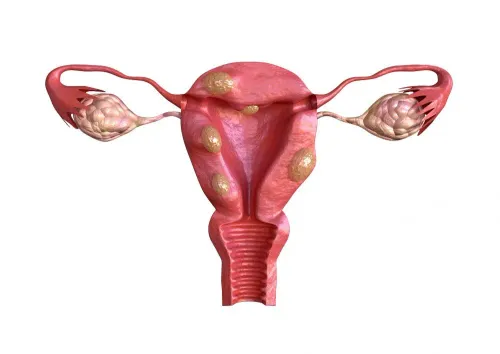
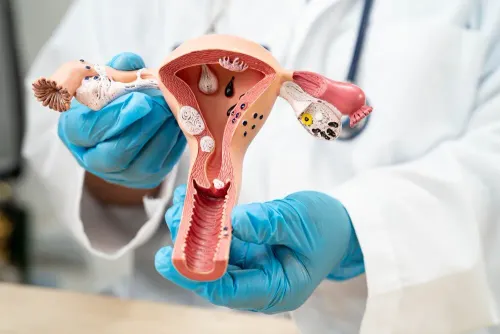
Advances in medical technology have transformed the way many gynecological conditions are treated. Procedures that once required large abdominal incisions and extended hospital stays can now be performed using minimally invasive techniques with greater precision. One of the most significant innovations in this field is robotic gynaecological surgery.
Although the term robotic surgery may sound intimidating, the procedure is entirely controlled by a highly trained surgeon. The robotic system enhances the surgeon's movements, allowing for greater accuracy during complex operations. For women in Thane exploring treatment options for fibroids, endometriosis, ovarian cysts, or certain gynecological cancers, understanding how robotic surgery compares with conventional methods can help in making an informed decision.
What Is Robotic Gynaecological Surgery?
Robotic gynaecological surgery is a minimally invasive procedure performed through a few small incisions. The surgeon operates from a specialized console that controls robotic arms equipped with miniature surgical instruments and a high-definition three-dimensional camera.
The robotic system does not make independent decisions. Instead, it translates the surgeon's hand movements into highly precise actions, reducing unnecessary tissue trauma while improving surgical control.
When Is Robotic Surgery Recommended?
Not every gynecological condition requires robotic surgery. However, doctors may recommend it for selected patients with:
- Large uterine fibroids
- Severe endometriosis
- Ovarian cysts requiring surgical removal
- Complex hysterectomy cases
- Pelvic adhesions
- Certain early-stage gynecological cancers
The decision depends on the patient's medical history, the severity of the condition, previous surgeries, and overall health.
Benefits Compared with Traditional Open Surgery
One reason robotic surgery has become increasingly popular is the range of benefits it offers for suitable patients.
These may include:
- Smaller incisions
- Less postoperative pain
- Reduced blood loss
- Lower risk of infection
- Enhanced surgical precision
- Better visualization of delicate structures
- Shorter hospital stay
- Faster recovery
- Earlier return to work and daily activities
These advantages often improve the overall patient experience without compromising surgical outcomes.
How Does It Compare with Conventional Laparoscopic Surgery?
Both robotic and laparoscopic surgeries are minimally invasive, but there are important differences.
Robotic surgery offers:
- Greater flexibility of surgical instruments
- Improved hand stability
- Better access to difficult anatomical areas
- High-definition three-dimensional visualization
- Enhanced precision during delicate procedures
Conventional laparoscopy remains an excellent option for many patients, and the most appropriate technique should always be determined by an experienced gynecologist.
Who May Benefit the Most?
Robotic surgery may be particularly helpful for women with:
- Complex pelvic anatomy
- Deep infiltrating endometriosis
- Multiple fibroids
- Previous abdominal surgeries
- Significant pelvic adhesions
- Conditions requiring meticulous tissue preservation
However, suitability varies from patient to patient, making individualized evaluation essential.
Recovery After Robotic Surgery
Recovery is generally quicker than after open abdominal surgery.
Many women experience:
- Earlier mobility
- Reduced discomfort
- Minimal scarring
- Shorter hospitalization
- Faster return to routine activities
Doctors still recommend following postoperative instructions carefully, including avoiding strenuous physical activity during the initial healing period.
Questions to Ask Before Choosing Robotic Surgery
Before deciding on surgery, discuss the following with your gynecologist:
- Is robotic surgery the best option for my condition?
- Are there non-surgical alternatives?
- What are the expected benefits in my case?
- What are the potential risks?
- How experienced is the surgical team?
- What is the expected recovery timeline?
Understanding these aspects helps patients participate actively in treatment decisions.
Why Surgeon Expertise Matters
Technology alone cannot determine surgical success. The experience of the surgeon, accurate diagnosis, and careful patient selection are equally important.
Hospitals that offer comprehensive gynecological care, advanced imaging, experienced anesthesiologists, and modern surgical facilities are often better equipped to manage both routine and complex cases.
Dr. Chandavakar's Apeksha Maternity and Nursing Home provides advanced gynecological care for women in Thane, carefully evaluating whether robotic surgery or another minimally invasive approach is the most appropriate option. Every treatment plan is individualized, ensuring that clinical decisions are based on the patient's condition rather than technology alone.
For many women, robotic gynaecological surgery represents a significant advancement in modern healthcare. With proper evaluation and expert surgical guidance, it can offer a safe, effective, and less invasive path toward recovery.
Keywords