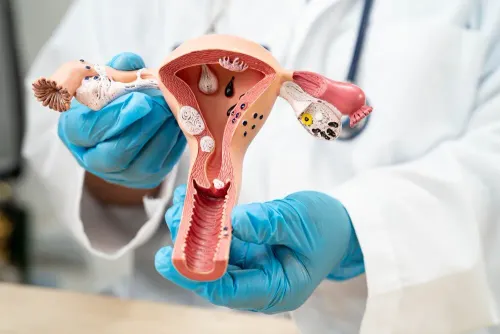
When medication or observation does not adequately manage a gynaecological condition, surgery may be considered. One of the first questions patients ask is whether the procedure can be completed laparoscopically instead of through conventional open surgery.
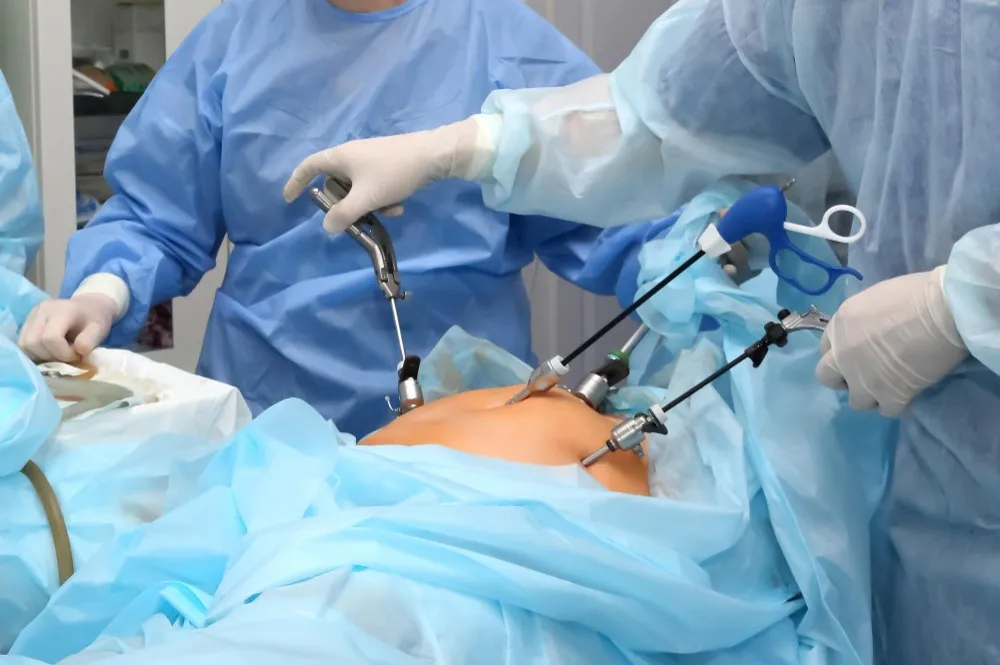
Laparoscopic gynaecological surgery in Thane uses small abdominal incisions and a camera to examine or treat selected pelvic conditions. It can offer meaningful recovery advantages, but suitability depends on the diagnosis, surgical complexity, and patient’s health.
How Laparoscopic Surgery Works
During laparoscopy, the surgeon inserts a narrow camera through a small incision, usually near the navel. Additional small incisions allow specialized instruments to be used.
The technique may be considered for selected cases involving:
- Ovarian cysts
- Endometriosis
- Ectopic pregnancy
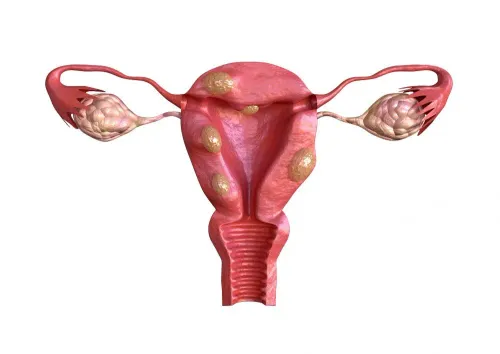
- Fibroids
- Adhesions
- Certain hysterectomies
- Diagnostic evaluation of pelvic pain or infertility
The exact approach depends on the condition and the surgeon’s assessment.
Laparoscopic Surgery and Open Surgery
Both methods are established surgical approaches. The appropriate choice is based on safety and the ability to complete the planned procedure effectively.
Incision and Recovery
Laparoscopy generally uses several small incisions, while open surgery uses a larger abdominal incision. Smaller incisions may be associated with less postoperative discomfort, shorter hospitalization, and an earlier return to routine activity in suitable cases.
Surgical Access
Open surgery gives direct access to the abdomen and pelvis. It may be preferable for very large masses, extensive disease, significant scarring, suspected malignancy, unstable emergencies, or situations where wider access is clinically necessary.
Conversion to Open Surgery
A procedure planned laparoscopically may occasionally need to be converted to open surgery because of bleeding, dense adhesions, unexpected anatomy, technical difficulty, or another safety concern. Patients should understand this possibility during consent.
What Preoperative Assessment May Include
Before recommending surgery, the gynaecologist reviews symptoms, examination findings, imaging, laboratory reports, previous operations, medicines, allergies, and anaesthesia-related risks.
Patients should disclose blood-thinning medication, diabetes treatment, supplements, previous reactions to anaesthesia, and any possibility of pregnancy.
Useful questions include:
- What is the exact diagnosis?
- Is surgery necessary now?
- Are non-surgical alternatives reasonable?
- Why is laparoscopy suitable in this case?
- Is organ-preserving surgery possible?
- What may require conversion to open surgery?
- How long is the expected recovery?
Recovery After Laparoscopy
Recovery varies according to the procedure. Diagnostic laparoscopy and major laparoscopic surgery should not be treated as though they require the same recovery period.
Temporary abdominal discomfort, fatigue, bloating, shoulder-tip pain from the gas used during surgery, and light vaginal bleeding can occur. The clinical team should provide individualized instructions about wound care, bathing, lifting, driving, exercise, sexual activity, medicines, and follow-up.
Fever, worsening pain, heavy bleeding, persistent vomiting, breathing difficulty, calf swelling, or redness and discharge from an incision require prompt assessment.
Dr. Chandavakar's Apeksha Maternity and Nursing Home evaluates women for minimally invasive gynaecological procedures in Thane, Maharashtra. The consultation should focus not only on smaller incisions but also on whether the chosen approach can safely address the underlying condition.
Laparoscopy can make recovery easier for appropriately selected patients. Its real value, however, lies in matching the surgical method to the diagnosis, disease extent, fertility goals, and expertise required.
Keywords