Experiencing a miscarriage can be emotionally and physically overwhelming. When pregnancy loss happens more than once, many couples are left with questions about why it keeps happening and whether they will ever have a successful pregnancy. While recurrent miscarriage can feel discouraging, medical advancements have made it possible to identify many underlying causes and provide effective treatment.
Couples in Thane who have experienced repeated pregnancy loss should know that recurrent miscarriage is a medical condition that deserves a thorough evaluation rather than being dismissed as bad luck.
What Is Recurrent Miscarriage?
Recurrent miscarriage generally refers to two or more consecutive pregnancy losses. Although a single miscarriage is relatively common, repeated miscarriages may indicate an underlying health issue that requires medical attention.
Not every case has an obvious cause, but comprehensive investigations often reveal factors that can be treated or managed before attempting another pregnancy.
Common Causes of Recurrent Miscarriage
Several medical conditions may contribute to repeated pregnancy loss. These include:
- Chromosomal abnormalities
- Hormonal imbalances
- Thyroid disorders
- Uncontrolled diabetes
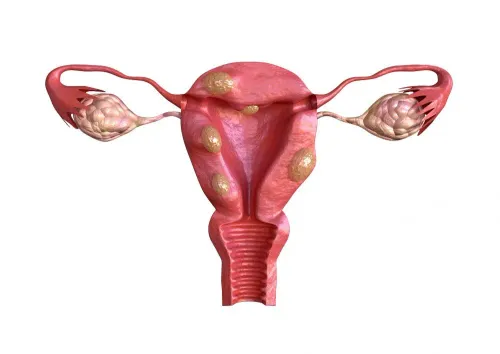
- Uterine abnormalities
- Cervical weakness
- Autoimmune conditions
- Blood clotting disorders
- Polycystic ovary syndrome (PCOS)
- Lifestyle factors such as smoking and obesity
Sometimes, more than one factor may be responsible, making a detailed evaluation essential.
When Should You Consult a Specialist?
Many couples wonder whether they should wait after multiple miscarriages or seek immediate medical advice. It is advisable to consult a gynecologist if you have:
- Experienced two or more miscarriages
- Difficulty conceiving after a miscarriage
- Irregular menstrual cycles
- Known uterine abnormalities
- Chronic medical conditions
- A family history of pregnancy complications
Early evaluation allows doctors to investigate potential causes before another pregnancy begins.
How Is Recurrent Miscarriage Diagnosed?
Diagnosis involves understanding both partners' medical history along with targeted investigations.
Your doctor may recommend:
- Blood tests to assess hormonal function
- Thyroid function tests
- Diabetes screening
- Autoimmune disorder testing
- Genetic evaluation when indicated
- Ultrasound examination
- Hysteroscopy for uterine assessment
- Additional imaging if structural abnormalities are suspected
The exact investigations depend on each patient's medical history and previous pregnancy outcomes.
Treatment Depends on the Underlying Cause
There is no single treatment suitable for every patient. Instead, management focuses on correcting the identified problem.
Treatment options may include:
Hormonal Support
Women with progesterone deficiency or hormonal disturbances may benefit from appropriate hormonal therapy before and during early pregnancy.
Managing Medical Conditions
Conditions such as diabetes, thyroid disorders, and hypertension should be well controlled before conception to reduce pregnancy risks.
Treating Uterine Abnormalities
Structural problems like uterine septum, adhesions, or polyps can often be corrected through minimally invasive procedures, improving the chances of carrying a pregnancy successfully.
Blood-Thinning Medication
Women diagnosed with certain clotting disorders may require carefully monitored anticoagulant therapy during pregnancy.
Lifestyle Improvements
Maintaining a healthy weight, eating a balanced diet, exercising moderately, and avoiding smoking or alcohol can positively influence pregnancy outcomes.
Emotional Recovery Is Part of Treatment
Repeated pregnancy loss affects emotional health just as much as physical health. Anxiety, grief, guilt, and fear about future pregnancies are common and should not be ignored.
Couples benefit from open discussions with their healthcare provider, emotional support from family, and counselling when needed. Addressing mental well-being helps prepare for a healthier pregnancy journey ahead.
Can Women Have Healthy Pregnancies After Recurrent Miscarriages?
Yes. Many women who receive appropriate diagnosis and treatment go on to have healthy pregnancies. The key lies in identifying the underlying cause, following medical advice, and receiving close monitoring during future pregnancies.
Regular prenatal care allows doctors to detect concerns early and provide timely interventions whenever necessary.
Choosing the Right Care for Recurrent Miscarriage
Selecting a hospital with expertise in fertility and obstetric care ensures access to comprehensive evaluation under one roof. Couples should look for facilities that provide advanced diagnostics, individualized treatment plans, and continuous pregnancy monitoring.
Dr. Chandavakar's Apeksha Maternity and Nursing Home offers comprehensive recurrent miscarriage treatment for couples in Thane through detailed investigations, evidence-based management, and personalized pregnancy care. The focus is on identifying the root cause rather than simply treating symptoms, giving couples greater confidence as they plan for another pregnancy.
While recurrent miscarriage is a challenging experience, it does not mean parenthood is out of reach. With timely medical guidance and individualized care, many couples successfully achieve healthy pregnancies and welcoming outcomes.
Keywords