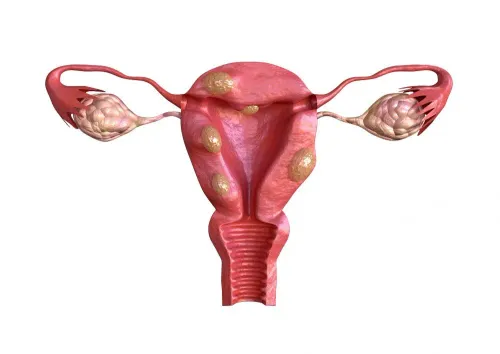
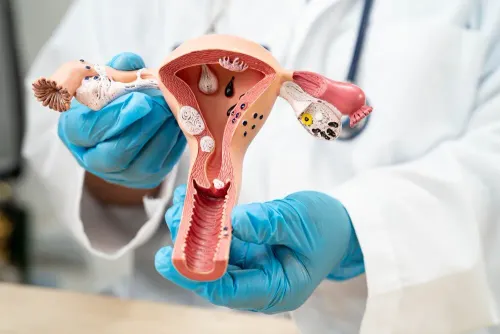
Endometriosis is more than just painful periods. It is a chronic condition in which tissue similar to the lining of the uterus grows outside the uterus, affecting organs such as the ovaries, fallopian tubes, bladder, and bowel. Over time, this misplaced tissue can lead to inflammation, scarring, pelvic pain, and fertility challenges.
While many women find relief through medication and lifestyle modifications, surgery may become the most effective option when symptoms persist or significantly affect daily life. Understanding when endometriosis surgery is recommended helps women make informed decisions about their treatment.
What Makes Endometriosis Difficult to Diagnose?
One of the biggest challenges with endometriosis is that its symptoms often resemble those of other gynecological conditions.
Common symptoms include:
- Severe menstrual cramps
- Chronic pelvic pain
- Pain during intercourse
- Pain while passing urine or stool during menstruation
- Heavy menstrual bleeding
- Infertility
- Fatigue
- Bloating
Because symptoms vary widely, some women live with endometriosis for years before receiving an accurate diagnosis.
When Is Surgery Recommended?
Surgery may be considered if:
- Pain continues despite medication
- Ovarian endometriotic cysts develop
- Fertility is affected
- Deep endometriosis involves nearby organs
- Daily activities become difficult
- Imaging suggests extensive disease
The goal of surgery is to remove visible endometriosis while preserving healthy reproductive organs whenever possible.
Types of Surgical Treatment
The type of surgery depends on the severity and location of the disease.
Common approaches include:
Laparoscopic Surgery
This minimally invasive technique is considered the preferred approach for most women. Small incisions allow surgeons to remove or destroy endometriosis lesions while minimizing tissue damage.
Advanced Minimally Invasive Surgery
For complex cases involving the bowel, bladder, or extensive adhesions, advanced surgical techniques may be required to restore pelvic anatomy and relieve symptoms.
Fertility-Preserving Procedures
Women planning pregnancy often benefit from procedures specifically designed to preserve ovarian function and reproductive potential.
Benefits of Timely Surgical Treatment
Appropriately selected patients may experience several advantages after surgery.
These include:
- Significant pain relief
- Improved quality of life
- Better fertility outcomes in some cases
- Removal of ovarian cysts
- Reduced inflammation
- Restoration of normal pelvic anatomy
- Improved daily functioning
The extent of improvement depends on the severity of the disease and ongoing postoperative care.
What Recovery Looks Like
Recovery varies according to the complexity of surgery.
Most women can expect:
- Mild discomfort during the first few days
- Gradual increase in activity
- Follow-up appointments to monitor healing
- Temporary activity restrictions
- Personalized pain management
Many patients undergoing minimally invasive surgery resume normal activities sooner than those undergoing traditional open procedures.
Can Endometriosis Return After Surgery?
Although surgery removes existing endometriosis tissue, recurrence is possible. This is why surgery is often combined with long-term medical management, hormonal therapy when appropriate, and regular follow-up.
Maintaining a healthy lifestyle and attending scheduled gynecological reviews also support long-term symptom control.
Choosing the Right Specialist
Endometriosis surgery requires careful planning because the disease may involve multiple pelvic organs. Choosing an experienced gynecologist with expertise in minimally invasive surgery can improve treatment outcomes while reducing complications.
Women should also consider whether the hospital offers advanced diagnostic imaging, fertility counselling when needed, and comprehensive postoperative care.
Dr. Chandavakar's Apeksha Maternity and Nursing Home provides individualized evaluation and surgical management for women with endometriosis in Thane. The clinical team focuses on preserving reproductive health whenever possible while relieving pain and improving overall quality of life through evidence-based treatment.
Living with chronic pelvic pain is not something women should simply accept. Early diagnosis, appropriate medical care, and timely endometriosis surgery when indicated can help restore comfort, improve fertility prospects, and allow women to return to their everyday lives with greater confidence.
Keywords