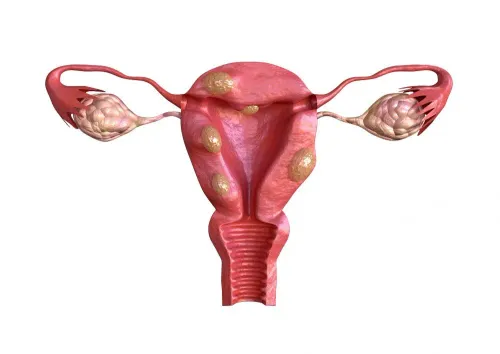
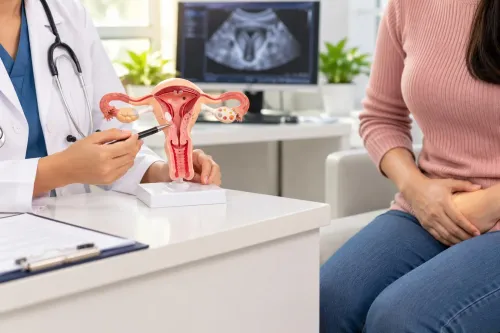
Uterine fibroids are one of the most common non-cancerous growths affecting women during their reproductive years. While many fibroids remain small and cause no symptoms, others can lead to heavy menstrual bleeding, pelvic pain, pressure on nearby organs, and difficulty conceiving. When medication no longer provides relief and preserving the uterus is important, myomectomy surgery is often the preferred treatment.
Unlike a hysterectomy, which removes the uterus, myomectomy removes only the fibroids while leaving the uterus intact. This makes it a valuable option for women who wish to retain their fertility or simply prefer to keep their uterus.
What Is Myomectomy Surgery?
Myomectomy is a surgical procedure designed to remove uterine fibroids without removing the uterus. The type of myomectomy recommended depends on the number, size, and location of the fibroids.
The procedure aims to relieve symptoms, improve quality of life, and, in many cases, enhance future pregnancy outcomes.
Signs That Fibroids May Need Surgical Treatment
Not every fibroid requires surgery. However, medical evaluation becomes important if you experience:
- Heavy or prolonged menstrual bleeding
- Pelvic pain or persistent pressure
- Frequent urination due to pressure on the bladder
- Constipation caused by large fibroids
- Pain during intercourse
- Difficulty becoming pregnant
- Recurrent pregnancy loss linked to fibroids
- Rapid increase in abdominal size
These symptoms can significantly affect daily life and should not be ignored.
Different Types of Myomectomy
Your gynecologist will recommend the most appropriate surgical approach after evaluating your condition.
Hysteroscopic Myomectomy
This technique is suitable for fibroids growing inside the uterine cavity. It is performed through the vagina and cervix without external incisions.
Laparoscopic Myomectomy
Small abdominal incisions are used to remove suitable fibroids with the help of specialized instruments. This minimally invasive technique usually offers faster recovery.
Open Myomectomy
Large, numerous, or deeply embedded fibroids may require conventional abdominal surgery to ensure complete and safe removal.
The choice of procedure depends on individual clinical findings rather than patient preference alone.
Benefits of Preserving the Uterus
For many women, preserving the uterus is an important consideration.
Potential advantages include:
- Improved fertility prospects
- Relief from heavy menstrual bleeding
- Reduction in pelvic pain
- Preservation of normal menstrual function
- Better reproductive planning options
- Improved overall quality of life
Women considering future pregnancy often discuss myomectomy as part of a long-term fertility plan.
Preparing for Surgery
Preparation helps ensure the best possible surgical outcome.
Your doctor may recommend:
- Blood investigations
- Ultrasound or MRI scans
- Review of medications
- Treatment for anemia if heavy bleeding has occurred
- Temporary medication to shrink fibroids in selected cases
Understanding the planned procedure also helps reduce anxiety before surgery.
Recovery After Myomectomy
Recovery depends on the surgical technique used.
Many women can expect:
- Mild to moderate postoperative discomfort
- Gradual return to normal activities
- Temporary lifting restrictions
- Follow-up appointments to monitor healing
- Guidance on planning future pregnancies when appropriate
Minimally invasive procedures generally allow faster recovery than open surgery.
Can Fibroids Return?
Although myomectomy removes existing fibroids, new fibroids may develop later because the uterus is preserved.
Regular gynecological check-ups allow early detection of recurrence, especially in younger women who may still be hormonally active.
Maintaining a healthy lifestyle and attending scheduled follow-up appointments contribute to long-term reproductive health.
Choosing the Right Surgical Team
Successful myomectomy requires careful surgical planning and experience. Factors such as fibroid size, number, and location influence both the complexity of surgery and the recovery process.
Hospitals offering comprehensive women's healthcare, advanced imaging, minimally invasive surgical options, and experienced gynecologists are well positioned to provide personalized treatment.
Dr. Chandavakar's Apeksha Maternity and Nursing Home provides individualized evaluation and myomectomy surgery for women in Thane, helping patients choose the most appropriate treatment based on their symptoms, reproductive goals, and overall health. Every surgical plan is tailored to achieve symptom relief while preserving future reproductive options whenever possible.
With timely diagnosis and expert care, women affected by symptomatic fibroids can regain comfort, improve their quality of life, and confidently plan for the future.
Keywords