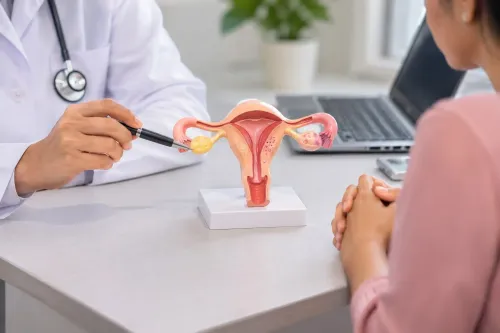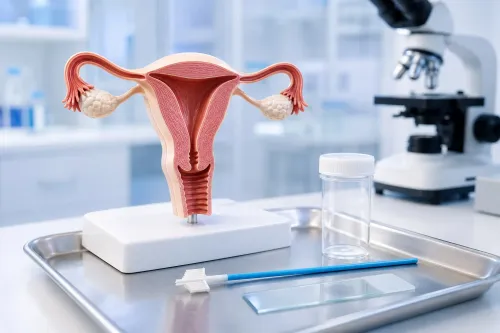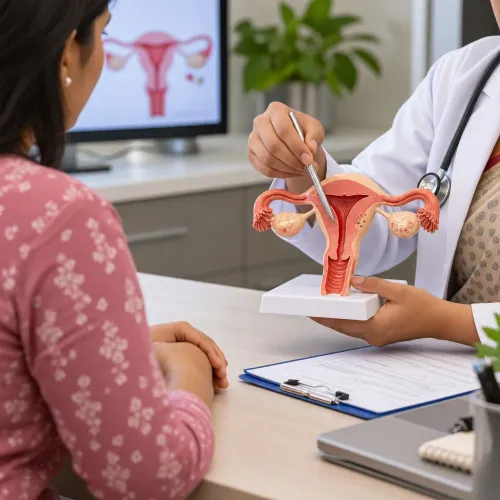
A Pap smear checks cervical cells, while an HPV test looks for the high-risk virus that causes almost all cervical cancers. Comparing the test method, age-based interval, follow-up pathway and clinic capability will help you choose an appropriate option and understand what a negative or positive result actually means.
Key takeaways
- Pap tests examine cervical cells; HPV tests detect high-risk human papillomavirus.
- Your age, past results and immune health determine the right screening schedule.
- Avoid vaginal medicines, intercourse and menstruation before collecting a cervical sample.
- An inadequate result needs repeat sampling; an abnormal result does not automatically mean cancer.
Pap cytology, HPV testing and co-testing: what each option detects
A Pap result tells you about cervical cells; an HPV result tells you whether high-risk human papillomavirus was detected. Those are different answers, so a negative result on one test does not mean the same thing as a negative result on the other.
| Option | What it detects | How it is done |
|---|---|---|
| Conventional Pap cytology | Abnormal cervical cells, including changes linked to precancer | Cells are spread directly on a glass slide and examined under a microscope. |
| Liquid-based cytology | Abnormal cervical cells | Cells are rinsed into a preservative vial before laboratory processing; the same specimen may allow HPV testing. |
| Primary HPV testing | High-risk HPV DNA or RNA, not abnormal cells | A cervical sample is tested for cancer-associated HPV types. A positive result needs a defined cytology triage or follow-up pathway. |
| HPV/Pap co-testing | High-risk HPV and cervical-cell abnormalities | The sample undergoes both HPV testing and cytology, giving virus and cell information together. |
| VIA | Visible acetowhite changes that can indicate a precancerous lesion | A clinician applies dilute acetic acid to the cervix and inspects it visually. VIA does not identify HPV and is not microscopic cytology. |
A negative Pap means no abnormal cells were seen in that sample; it does not prove that high-risk HPV is absent. A negative HPV test means tested high-risk HPV was not detected; it does not replace assessment of symptoms or visible cervical disease.
When comparing pap smear in thane screening options, include HPV testing and VIA among the cervical cancer screening options rather than treating every method as a Pap test.
Which screening schedule fits your age and medical history?
Routine screening is for people with a cervix who have no symptoms and no previous high-grade precancer or cervical cancer. For cervical screening in Thane, confirm the clinic’s protocol because age limits and intervals can follow Indian or state guidance rather than another country’s schedule.
| Group | Example schedule | Important qualification |
|---|---|---|
| Average risk, age 30–65 | Negative primary high-risk HPV test: repeat in 5 years; cytology-based screening: repeat more often | Use the interval advised by the local protocol |
| Living with HIV | Begin around age 25 and screen more frequently than average-risk patients | Follow an HIV-specific schedule even after HPV vaccination |
| Other immune suppression | Individualised, often earlier or more frequent screening | This includes transplant recipients and some long-term immune-suppressing medicines |
| HPV vaccinated | Use the same age- and risk-based schedule | Vaccination does not cover every oncogenic HPV type |
Pregnancy does not automatically cancel screening that is due. A clinician can collect a cervical sample when appropriate, but colposcopy and treatment decisions require pregnancy-specific care; procedures such as endocervical curettage are avoided.
Menopause does not end screening at 50. Continue through 65 when you remain due, unless you have the required negative results and no high-risk history; bleeding after menopause needs assessment, not just a screening test.
After total hysterectomy for a benign reason with no history of significant cervical precancer, screening is usually unnecessary. If the cervix remains, or you previously had CIN2, CIN3 or cervical cancer, continue specialist-directed surveillance.
How to prepare for a Pap smear or HPV sample
Avoid vaginal sex, tampons, douching, and vaginal creams or medicines for 24 to 48 hours before a pap smear test in thane. Book the appointment outside heavy menstrual bleeding when possible, because blood can obscure cells. Do not postpone screening for light spotting without asking the clinic.
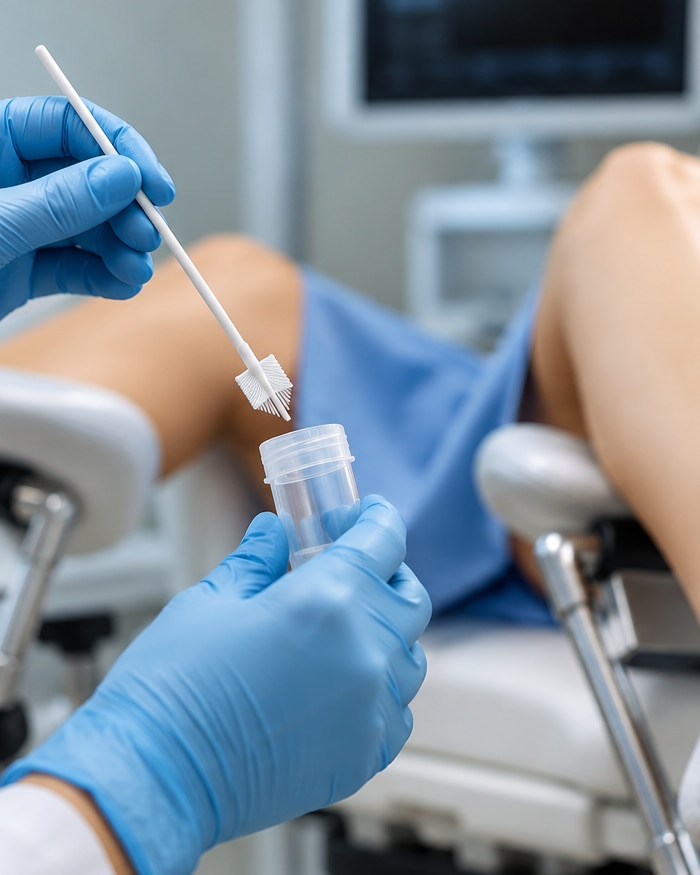
During collection, you lie on an examination couch while a clinician gently inserts a speculum to see the cervix. A small brush collects cells from its surface and canal; the same sample can support HPV testing when the clinic uses liquid-based processing.
| Test | Sample collected | Main information |
|---|---|---|
| Pap cytology | Cervical cells | Cell changes such as precancer |
| HPV testing | Cervical cells | High-risk human papillomavirus |
| Co-testing | One cervical sample | Both HPV and cell changes |
Expect pressure from the speculum and a brief scratch or cramp when the brush touches the cervix. Light spotting for a day after collection is common. Contact a clinician if bleeding is heavy, pain is severe or persistent, or you develop fever or foul-smelling discharge.
Do not treat symptoms as a routine screening appointment. Arrange medical assessment for bleeding after sex, bleeding between periods, bleeding after menopause, watery or foul-smelling discharge, or pelvic pain, even after a recent negative Pap or HPV result. These symptoms need evaluation for causes that screening does not diagnose.
What a positive, abnormal or inadequate result means
An abnormal result is a triage signal, not a cancer diagnosis. The next step depends on your age, HPV result, previous results and local protocol.
- ASC-US: Check for high-risk HPV. HPV-negative results usually return to routine screening; HPV-positive results usually require repeat HPV-based testing or colposcopy according to risk.
- LSIL: HPV-positive, HPV-unknown or persistent LSIL commonly leads to colposcopy. HPV-negative LSIL may qualify for repeat testing instead.
- HSIL: Arrange prompt colposcopy with directed biopsy. Non-pregnant patients at very high immediate risk may be offered expedited treatment after informed discussion; do not treat from cytology alone without following the applicable protocol.
- Positive high-risk HPV: This does not prove cancer or identify a recent partner as the source. HPV16 or HPV18, abnormal cytology or persistent infection commonly requires colposcopy; a defined triage plan matters.
- Inadequate sample: Repeat the cervical sample as soon as practical and within four months, because an unsatisfactory result cannot reliably exclude disease.
Pregnancy changes treatment, not the need for assessment. Perform colposcopy when indicated, but avoid endocervical curettage and precancer treatment during pregnancy unless invasive cancer is suspected.
After treatment for cervical precancer, use HPV-based surveillance at six months, then regular surveillance for at least 25 years. A cervical cancer history requires specialist oncology follow-up, not routine screening. These pathways apply across cervical cancer screening options, including Pap, HPV testing and co-testing.
How to choose a cervical screening service in Thane
Choose a pap test clinic in Thane by checking what happens after collection, not only how quickly the sample is taken. Ask whether the laboratory uses a validated high-risk HPV assay, names HPV 16/18 or other detected types, and reports cytology using Bethesda terms such as ASC-US, LSIL and HSIL.
| Option | What it examines | Practical question |
|---|---|---|
| Conventional Pap | Cells spread on a glass slide | What happens if the sample is inadequate? |
| Liquid-based cytology | Cells placed in preservative fluid | Can HPV testing use the same specimen? |
| Primary HPV test | High-risk HPV genetic material | Which assay and genotypes does the report identify? |
| Co-testing | HPV plus cervical-cell changes | Who interprets discordant results? |
Before booking cervical screening in Thane, ask:
- Will the report state “negative for intraepithelial lesion or malignancy,” an HPV result, and the recommended next step?
- If the sample is inadequate, who contacts you, how soon is repeat collection arranged, and is it charged separately?
- If HPV or cytology is abnormal, is colposcopy available locally, and who performs it?
- Where is a biopsy taken if colposcopy shows a suspicious area, and who explains the pathology report?
- Does the clinic record a recall date and actively follow up missed appointments?
A local maternity and gynaecology clinic such as Dr. Chandavakar's Apeksha Maternity & Nursing Home is useful when one team can review your history, arrange repeat sampling, coordinate colposcopy or biopsy referrals, and track results during pregnancy or after prior cervical treatment.
Related service
PAP smear and Cervical Cancer Screening PAP smear and Cervical Cancer Screening Dr. Madhura Chandavarkar at Apeksha Maternity and Nursing Home provides comprehensive PAP Smear and Cervical Cancer Screening services to support... View service → |
Frequently asked questions
What is the difference between Pap cytology, HPV testing and co-testing?
Pap cytology examines cervical cells for changes. HPV testing detects high-risk HPV. Co-testing uses both samples or tests together.
Which cervical screening schedule fits my age and medical history?
The right interval depends on your age, previous results, HPV status, immune health and treatment history. Ask a clinician to confirm your schedule.
How should I prepare for a Pap smear or HPV sample?
Schedule the test outside menstruation, avoid vaginal medicines and intercourse for 24 to 48 hours, and tell the clinician about pregnancy or symptoms.
What does a positive, abnormal or inadequate cervical screening result mean?
A positive HPV result means high-risk HPV was detected, an abnormal Pap result means cell changes were found, and an inadequate sample needs repeating.
How do I choose a cervical screening service in Thane?
Check who collects and interprets samples, how results are communicated, whether follow-up is arranged, and whether the clinic explains preparation and next steps.
Keywords