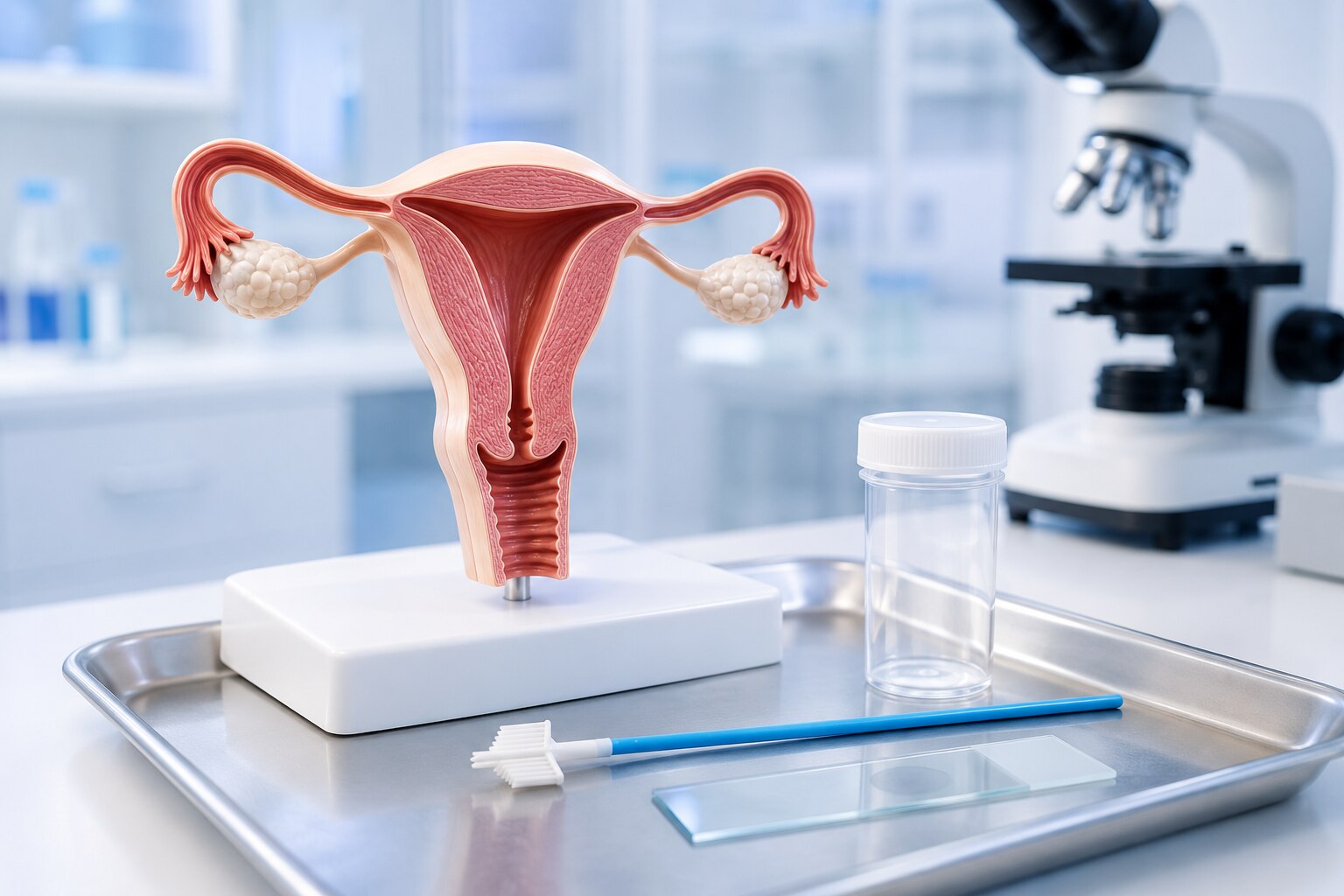
A first cervical screening visit involves more than the few minutes needed to collect cells: you will register, answer health questions, give consent, change or undress as directed, and lie on an examination couch while a speculum allows the clinician to see your cervix. You will know what to bring, what sensations are normal, how to request adjustments, and what questions to ask before booking by the end.
Key takeaways
- Avoid heavy menstrual bleeding when booking your cervical screening appointment.
- Tell the clinician about unusual bleeding or discharge before the examination.
- The clinician uses a speculum to view the cervix and collect cells.
- Ask about clinician qualifications, laboratory processing and result timelines.
What to do before your appointment
Book your cervical screening appointment in Thane when you are not having heavy menstrual bleeding, because blood can make cervical cells difficult to interpret. Call the clinic before cancelling if bleeding is prolonged, unusual, occurs after sex, or comes with abnormal discharge; these symptoms need clinical assessment rather than a routine screening sample alone.
1. Ask which test is booked: conventional Pap cytology, liquid-based cytology, HPV testing, or co-testing. A Pap test examines cervical cells, while an HPV test detects high-risk human papillomavirus; “Pap smear” does not identify the test method by itself.
2. Tell the clinic about vaginal medicines, creams, or treatments you are using and follow its instructions about pausing them. Do not use the appointment to dismiss symptoms that began before it.
3. Bring your last menstrual period date, the possibility of pregnancy, current medicines, relevant medical conditions, previous abnormal results, and records of cervical procedures such as a biopsy or treatment for precancerous cells.
4. Ask for the laboratory’s expected reporting time and whether the sample is processed onsite or sent to an external pathology laboratory. Confirm how an abnormal result will be communicated; no phone call does not necessarily mean a normal result.
5. Save the clinic’s contact details and ask who reviews abnormal results and arranges colposcopy or referral. After the test, contact the clinic for heavy bleeding, severe pain, fever, or symptoms that do not settle.
What happens when you arrive and enter the examination room
Registration usually comes first, followed by a private discussion with the clinician. Knowing what happens during a pap smear in Thane can make the room feel less unfamiliar: you will be asked about your health and whether screening is appropriate today.
The clinician may ask about:
- The first day of your last menstrual period and any chance of pregnancy
- Unusual bleeding, bleeding after sex, discharge, pelvic pain or other symptoms
- Previous Pap or HPV results, cervical procedures, pregnancies and relevant medicines
Tell the clinician about symptoms even if you booked a routine test. Screening is for people without symptoms; unusual bleeding or discharge may need a diagnostic examination as well.
Before the examination, the clinician explains the speculum examination, answers questions and asks for your consent. You can withdraw consent or ask for a pause at any point. You will usually change from the waist down in privacy, then cover your lap and legs with a sheet or disposable drape.
The examination room contains a padded examination couch, a light and sometimes foot supports or stirrups. You lie on your back, bend your knees and rest your legs as instructed.
The clinician positions the drape so only the area being examined is exposed, checks that you are comfortable, and tells you before touching or inserting the speculum. Pressure is expected; sharp pain should be reported immediately.
How the clinician collects the cervical sample
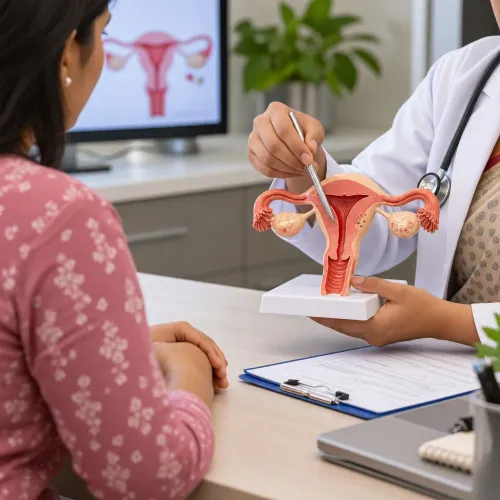
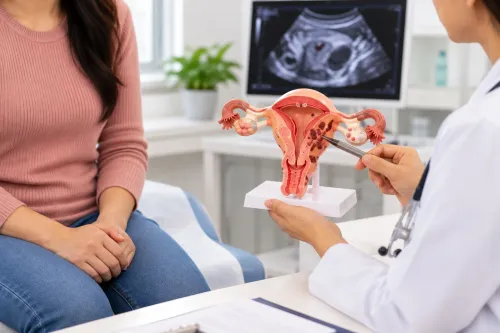
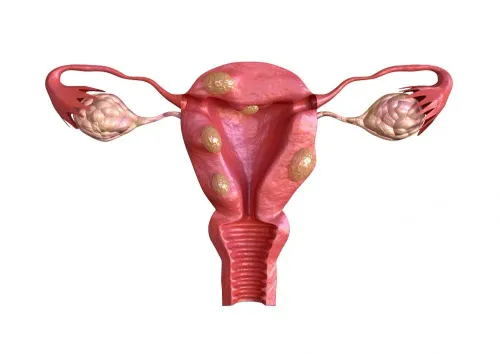
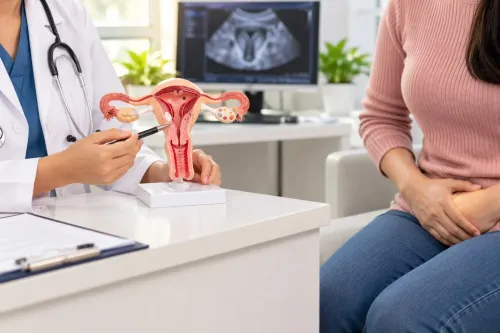
The cervical sample in a Pap smear procedure in Thane usually takes only a few minutes. After you are positioned, the clinician gently inserts a speculum into the vagina and opens it slightly to see the cervix.
You may feel pressure, stretching, or brief cramping as the speculum moves into place. The clinician then sweeps a small brush or spatula across the cervix; this can feel like brief scraping or a quick pinch, but sharp or persistent pain is not something you need to endure.
Cells go into a liquid-filled vial for liquid-based cytology or onto a glass slide, depending on the laboratory method.
You can ask the clinician to change the examination if it feels too uncomfortable:
- Pause and explain what you are feeling.
- Use a smaller speculum.
- Add more water-based lubricant, if suitable for the test.
- Insert the speculum more slowly.
- Change your position or adjust your knees and legs.
- Tell you before each movement or collection step.
- Stop the procedure.
A smaller speculum or different position can make the examination easier, although it may not remove every sensation. Tell the clinician immediately about sharp pain, strong cramping, or pain that continues after the brush is removed. The visit itself lasts longer because of consent, examination and specimen labelling; the collection is the short part.
What happens immediately after the sample is taken
Once the sample is taken, the clinician removes the speculum, checks that you are comfortable, and lets you dress. Mild pelvic cramping or a small amount of pink or brown spotting can occur because the brush touched the cervix.
Light spotting on the day of the test or for up to two days is usually not alarming.
Contact the clinic if you have:
- Heavy bleeding, such as soaking a pad
- Severe or worsening pelvic pain
- Fever, chills, dizziness, or foul-smelling discharge
- Spotting that continues beyond two days or does not settle
- Symptoms that began before screening, including bleeding after sex, unusual bleeding, or abnormal discharge
A Pap result is not available immediately unless the clinic explains a rapid reporting process. Ask whether the sample went to an onsite or external laboratory, the expected reporting date, and how the report will reach you; no phone call does not necessarily mean a normal result.
The report may describe conventional Pap cytology or liquid-based cytology, and HPV testing may be reported separately. An abnormal Pap result or positive HPV result does not by itself mean cancer. Depending on the result, your age, and previous history, follow-up may involve repeat testing, HPV triage, colposcopy, or biopsy.
Ask who reviews abnormal results and whether the clinic arranges colposcopy or referral. Knowing what happens during a Pap smear in Thane includes knowing this follow-up plan before you leave.
Questions to ask before choosing a Pap test clinic in Thane
Ask the clinic to name the exact test before booking a pap test clinic in thane. “Pap smear” can mean cytology, while HPV testing looks for high-risk human papillomavirus; they are not interchangeable.
| Test | What the laboratory examines | Processing question |
|---|---|---|
| Conventional Pap cytology | Cells spread directly on a glass slide | Is the slide prepared onsite or sent to an external pathology laboratory? |
| Liquid-based cytology | Cells rinsed into a vial, then processed in the laboratory | Can the same vial be used for HPV testing? |
| HPV testing | High-risk HPV DNA or RNA | Is HPV testing included, separate, or available only if cytology is abnormal? |
During your cervical screening appointment in Thane, ask:
- Which test will my sample include: conventional cytology, liquid-based cytology, HPV testing, or co-testing?
- Where is the sample processed, and what reporting time does that laboratory expect?
- Who reviews an abnormal report, and will the clinic call, message, or require me to collect it? Do not treat silence as a normal result.
- If the result is abnormal, will the plan be repeat testing, HPV triage, colposcopy, or referral for biopsy? Who arranges the next appointment?
- If I have bleeding after sex, unusual bleeding, or abnormal discharge, do I need diagnostic assessment rather than screening alone?
If you are considering Dr. Chandavakar's Apeksha Maternity & Nursing Home, use these questions to confirm the test, laboratory pathway, and follow-up process before consenting. An abnormal Pap or positive HPV result does not by itself mean cancer.
Related service
PAP smear and Cervical Cancer Screening PAP smear and Cervical Cancer Screening Dr. Madhura Chandavarkar at Apeksha Maternity and Nursing Home provides comprehensive PAP Smear and Cervical Cancer Screening services to support... View service → |
Frequently asked questions
What should I do before a Pap smear appointment in Thane?
Book the appointment when you are not having heavy menstrual bleeding. Tell the clinic about prolonged or unusual bleeding, bleeding after sex, or abnormal discharge because these symptoms need assessment.
What happens when I arrive for a Pap smear?
You provide your medical details, discuss the reason for screening, and enter a private examination room. The clinician explains the procedure, answers questions, and obtains your consent before the examination.
How is the cervical sample collected during a Pap smear?
You lie on an examination couch while the clinician gently inserts a speculum to view the cervix. A small brush collects cervical cells, which are placed in a specimen container for laboratory testing.
What happens immediately after a Pap smear sample is taken?
The clinician removes the speculum, discusses possible light spotting or mild cramping, and explains when and how you will receive the result. Seek advice for heavy bleeding or severe pain.
Keywords