You will usually complete registration, a brief safety assessment, consent, an upper-arm injection and about 15 minutes of observation. By the end, you should know what to bring, which dose schedule applies, how missed doses are handled and what symptoms need routine aftercare or urgent help.
Key takeaways
- Bring your vaccination card and previous HPV dose records.
- Ages 9–14 usually need two doses; ages 15 and older need three.
- The vaccine is injected into the upper-arm muscle.
- Plan to remain seated for 15 minutes after vaccination.
What happens before the injection?
1. At registration, the clinic confirms your name, date of birth, contact details and the reason for your visit. Staff check your age, vaccine history and whether you have brought a vaccination card or other record showing previous HPV doses.
2. The clinician asks about allergies, immune-system conditions, current illness, pregnancy or possible pregnancy, and any serious reaction after an earlier vaccine. Tell them if you have fainted during injections, feel unwell today, or take medicines that affect immunity.
3. The clinician reviews whether the HPV vaccine is suitable and identifies the correct dose in your series. If you started before age 15, two doses are commonly used; starting at 15 or later, or having certain immune conditions, generally requires three. The clinic will confirm the schedule for the specific vaccine and local policy.
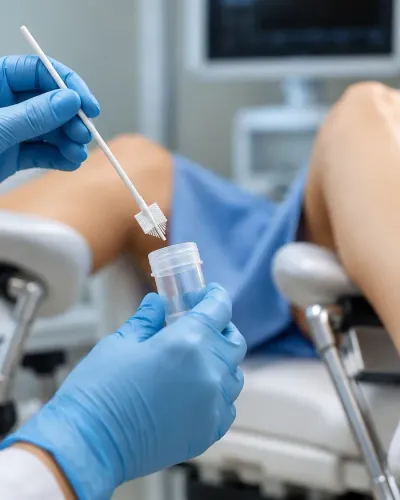
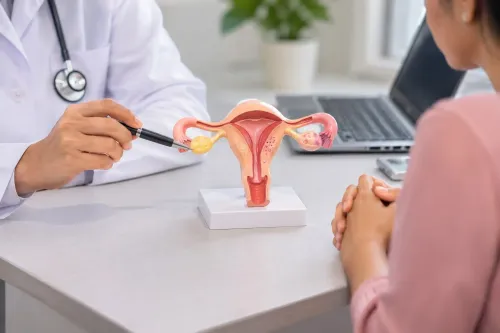
4. You or a parent or guardian completes consent when required. A pelvic examination, cervical examination, HPV test or internal examination is not normally needed before vaccination; the vaccine is given into the upper-arm muscle, not the cervix, vagina or uterus.
5. Before proceeding, ask the clinic to confirm the vaccine’s name, dose number and planned next appointment. For an HPV vaccine appointment in Thane, also verify eligibility, availability, cost and consent rules because public services and private clinics can differ.
Who is eligible, and how many doses are needed?
Age at the first dose determines the HPV vaccination schedule, while local policy and the vaccine product can affect the exact plan. For hpv vaccination for girls in thane, ask the vaccinator to document the product, age at first dose, dose number and return date.
| Age at first dose | Usual number of doses | Typical timing |
|---|---|---|
| 9–14 years | One or two | Depends on the national programme and product |
| 15 years or older | Three | Usually at 0, 1–2 and 6 months |
| Any age with certain immunocompromising conditions | Three | Follow the clinician’s schedule, even if vaccination began before age 15 |
- A previous HPV dose counts if its date and product can be verified. Bring the record; changing clinics without documentation can lead to missed doses or unnecessary repetition.
- A delayed dose does not mean restarting the series. Take the next dose as soon as practical, using the minimum interval required by the schedule; the clinic will recalculate the return date.
- Pregnancy is a reason to postpone remaining doses, not a reason to terminate a pregnancy. If a dose was given before pregnancy was known, no extra intervention is recommended. Vaccination can continue after pregnancy, and breastfeeding is not a reason to delay it.
- Tell the clinician about a severe allergy to a previous dose or vaccine component, an immune-system condition, current moderate or severe illness, or a serious vaccine reaction. A pelvic examination, cervical examination and HPV test are not normally needed before vaccination.
How is the HPV vaccine administered?
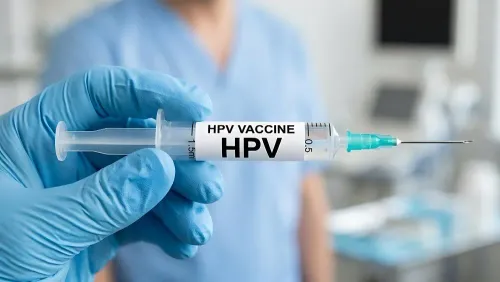
The injection itself usually takes only a few seconds. The clinician asks you to sit or lie down, cleans the skin on your upper arm, and gives the vaccine into the muscle. You may feel a brief pinch, pressure, or stinging; relaxing your arm makes the process easier.
A small piece of gauze covers the site afterward.
Stay seated for about 15 minutes after the injection. This observation period helps staff respond if an adolescent faints or develops an immediate allergic reaction; it does not mean serious illness is expected. Tell the clinician immediately if you have difficulty breathing, swelling of the face or throat, widespread hives, or feel close to fainting.
Before you leave, stand up slowly and tell staff if you feel dizzy or unwell. Ask for the vaccination record showing the vaccine name, dose number, date, batch or lot number, injection site, and next-dose date when another dose is due.
At a clinic providing a human papillomavirus vaccine in Thane, confirm that these details are recorded before you go, especially if you may complete later doses at another facility. Expect the injection visit to take longer than the injection itself because of observation and documentation.
What reactions can you expect after vaccination?
Most reactions are mild and settle within a few days without treatment. Pain, redness, or swelling where the needle entered is common; fever, headache, tiredness, nausea, and muscle or joint aches can also occur.
| Reaction | What you can do at home | When to seek help |
|---|---|---|
| Injection-site pain, redness, or swelling | Apply a cool, damp cloth, rest the arm, and move it gently. Use a pain or fever medicine only as directed on the label or by your clinician. | Contact the clinic if swelling rapidly worsens, severe pain develops, or the area remains very painful after a few days. |
| Mild fever, headache, tiredness, nausea, or aches | Drink fluids, rest, and eat light food if nausea occurs. Check your temperature if you feel feverish. | Seek medical advice for a high or persistent fever, repeated vomiting, confusion, or symptoms that worsen instead of improving. |
| Fainting or feeling faint | Lie flat with your legs raised and do not stand until fully alert. | Get urgent help if the person does not quickly recover, has a seizure, hits their head, or has trouble breathing. |
| Severe allergic reaction | Do not wait at home or drive yourself. | Call emergency services immediately for trouble breathing, facial or throat swelling, widespread hives, collapse, or sudden severe weakness. |
Stay near the clinic for the advised observation period after the injection, because fainting and immediate allergic reactions need prompt care.
How should you prepare for an HPV vaccination appointment in Thane?
Call before travelling for HPV vaccination in Thane. Confirm that the vaccine is in stock, the patient’s age fits the clinic’s schedule, how many doses are required, the total price, and whether a prescription or parent/guardian consent is needed. A search for “HPV vaccine clinic in Thane” does not confirm current stock or identical rules.
| Service detail | Confirm with the clinic | Why it matters |
|---|---|---|
| Public service | Eligibility, stock, appointment process and consent rules | Access and documentation can differ from private care |
| Private clinic | Brand, price, dose schedule and payment requirements | The available product and fee may vary |
| Any facility | Pregnancy, immune conditions, allergies and previous doses to report | A severe reaction to an earlier HPV dose or its ingredients needs medical review |
Carry any vaccine card, previous dose certificate, allergy information and medication list. A pelvic examination, cervical examination or HPV test is not normally needed before vaccination.
Tell the vaccinator if pregnancy is possible, you are unwell, or you have fainted after injections; do not rely on memory alone for a serious allergy, including yeast allergy relevant to some 9-valent vaccines.
At Dr. Chandavakar's Apeksha Maternity & Nursing Home, ask for the completed vaccination entry before leaving. Keep the paper record and a clear phone photograph showing:
- Vaccine name or brand and batch or lot number
- Date, dose number, route and injection site
- Planned date for the next dose, if another dose is required
This record prevents missed intervals or unnecessary repeat doses if you change clinics or move between public and private services.
Related service
HPV Vaccination Dr. Madhura Chandavarkar at Apeksha Maternity and Nursing Home offers HPV vaccination services to help protect against Human Papillomavirus (HPV), a... View service → |
Frequently asked questions
What happens before an HPV vaccination injection?
The clinic confirms your name, date of birth, contact details and visit reason, then checks your age, vaccine history and previous-dose records. Tell the clinician about allergies, pregnancy, fever or a previous vaccine reaction.
Who is eligible for the HPV vaccine, and how many doses are needed?
HPV vaccination is routinely offered from age 9. People who start at ages 9–14 usually receive two doses, while those who start at age 15 or later receive three doses. Your clinician will confirm the schedule for your age and medical history.
How is the human papillomavirus vaccine administered?
A healthcare professional gives the HPV vaccine as an intramuscular injection, usually in the upper-arm muscle. Remain seated for about 15 minutes afterward so staff can check for dizziness or an immediate reaction.
What reactions can you expect after HPV vaccination?
Common reactions include pain, redness or swelling at the injection site, headache, tiredness, muscle aches and a mild fever. Seek urgent care for trouble breathing, facial swelling or widespread hives.
How should you prepare for an HPV vaccine appointment in Thane?
Carry your vaccination card or other dose records, note your allergies and medicines, and tell the clinic if you are pregnant or unwell. Wear clothing that leaves the upper arm accessible and arrange follow-up doses before leaving.
Keywords