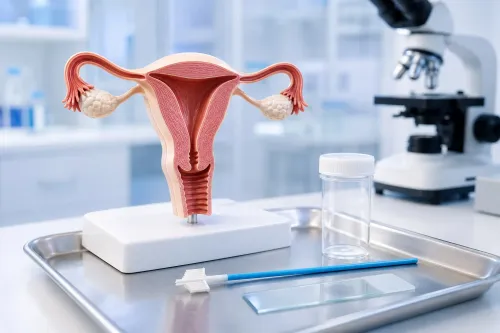
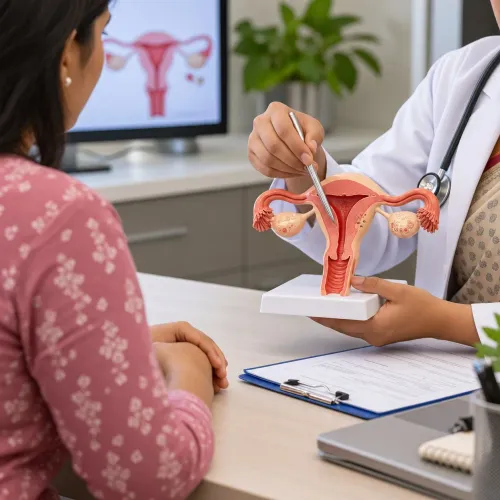
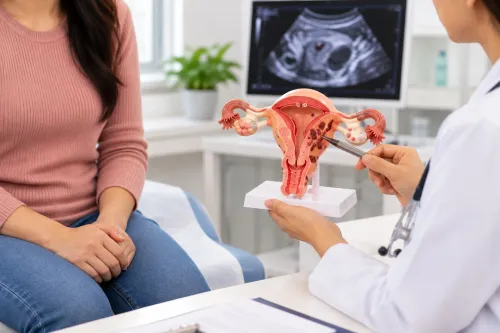
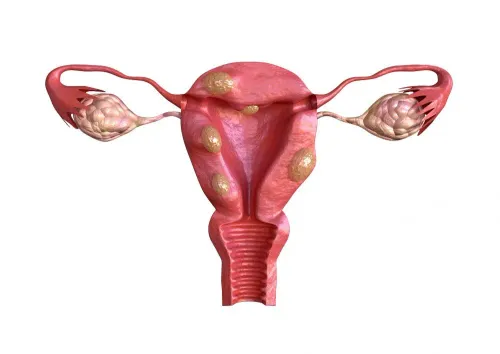
Most women experience changes in their menstrual cycle from time to time. However, persistent irregularities, unusually heavy bleeding, severe pain, or missed periods should not be considered a normal part of life. These symptoms may indicate an underlying gynecological condition that requires medical attention.
When menstrual problems begin affecting work, education, family life, or emotional well-being, choosing the right hospital for menstrual disorders management becomes an important step toward finding lasting relief. For women in Thane, understanding what to look for in a healthcare provider can help ensure accurate diagnosis and personalized treatment.
When Does a Menstrual Problem Need Medical Evaluation?
Occasional variations in the menstrual cycle are common, especially during adolescence or the years leading up to menopause. However, medical evaluation is recommended if you experience:
- Menstrual cycles shorter than 21 days or longer than 35 days
- Heavy bleeding that requires changing sanitary products every one to two hours
- Periods lasting longer than seven days
- Severe menstrual cramps that interfere with daily activities
- Bleeding between menstrual cycles
- Missed periods without pregnancy
- Bleeding after menopause
Ignoring these symptoms may delay the diagnosis of conditions that are easier to manage when identified early.
Conditions That Can Cause Menstrual Disorders
Several health conditions may contribute to abnormal menstrual patterns, including:
- Polycystic ovary syndrome (PCOS)
- Thyroid disorders
- Hormonal imbalance
- Uterine fibroids
- Endometriosis
- Adenomyosis
- Ovarian cysts
- Perimenopause
- Blood clotting disorders
Because multiple conditions can produce similar symptoms, a comprehensive evaluation is essential before starting treatment.
What Should a Good Women's Healthcare Centre Offer?
When comparing hospitals or gynecology clinics, look beyond convenience or location. A well-equipped facility should provide complete diagnostic and treatment services.
Important features include:
- Experienced gynecologists
- Comprehensive menstrual health assessment
- Advanced ultrasound imaging
- Laboratory testing
- Hormonal evaluation
- Minimally invasive treatment options
- Fertility counselling when required
- Long-term follow-up care
Receiving coordinated care under one roof often improves treatment outcomes and patient convenience.
Why Accurate Diagnosis Matters
Treating menstrual symptoms without identifying their cause may provide only temporary relief.
A thorough assessment usually includes:
- Detailed menstrual history
- Medical and family history
- Physical examination
- Pelvic ultrasound
- Hormonal blood tests
- Additional investigations based on symptoms
Once the underlying condition is identified, treatment can be tailored to the individual's health needs and reproductive goals.
Treatment Is Different for Every Woman
There is no universal treatment for menstrual disorders. Management depends on factors such as age, symptom severity, future pregnancy plans, and the underlying diagnosis.
Treatment may include:
- Lifestyle modifications
- Nutritional guidance
- Hormonal medication
- Pain management
- Treatment of thyroid or metabolic disorders
- Minimally invasive procedures
- Surgery when medically necessary
The objective is to improve menstrual health while addressing the root cause rather than simply controlling symptoms.
Questions to Ask Before Starting Treatment
Choosing a healthcare provider becomes easier when you ask the right questions.
Consider discussing:
- What is causing my menstrual problem?
- Are additional investigations required?
- Can my condition affect fertility?
- What treatment options are available?
- How long will treatment take?
- Will I require surgery?
- What follow-up care will be needed?
Clear communication allows women to make confident decisions about their healthcare.
Why Ongoing Follow-Up Is Important
Some menstrual disorders require long-term management rather than one-time treatment.
Regular follow-up helps doctors:
- Monitor treatment effectiveness
- Adjust medications when needed
- Detect new symptoms early
- Protect reproductive health
- Prevent long-term complications
Women who maintain regular gynecological reviews often experience better long-term outcomes than those who seek treatment only during severe symptoms.
Finding Trusted Women's Healthcare in Thane
Women looking for menstrual disorder management should choose a hospital that combines clinical expertise with personalized care. Access to experienced specialists, modern diagnostic facilities, and individualized treatment planning allows patients to receive care that matches their unique health requirements.
Dr. Chandavakar's Apeksha Maternity and Nursing Home provides comprehensive menstrual disorders management for women in Thane, offering detailed evaluations, evidence-based treatments, and continued follow-up for conditions affecting menstrual health. Every care plan is designed around the patient's symptoms, lifestyle, and reproductive goals.
Persistent menstrual problems should never be accepted as a normal part of life. Early diagnosis and expert treatment can improve overall health, restore confidence, and help women enjoy a better quality of life.
Keywords