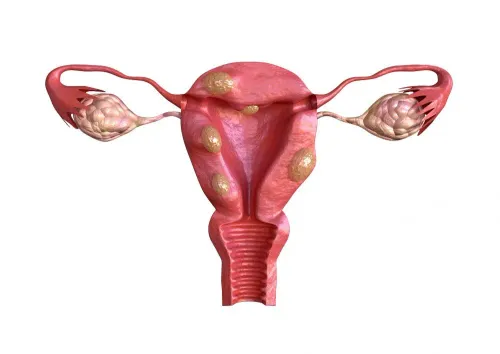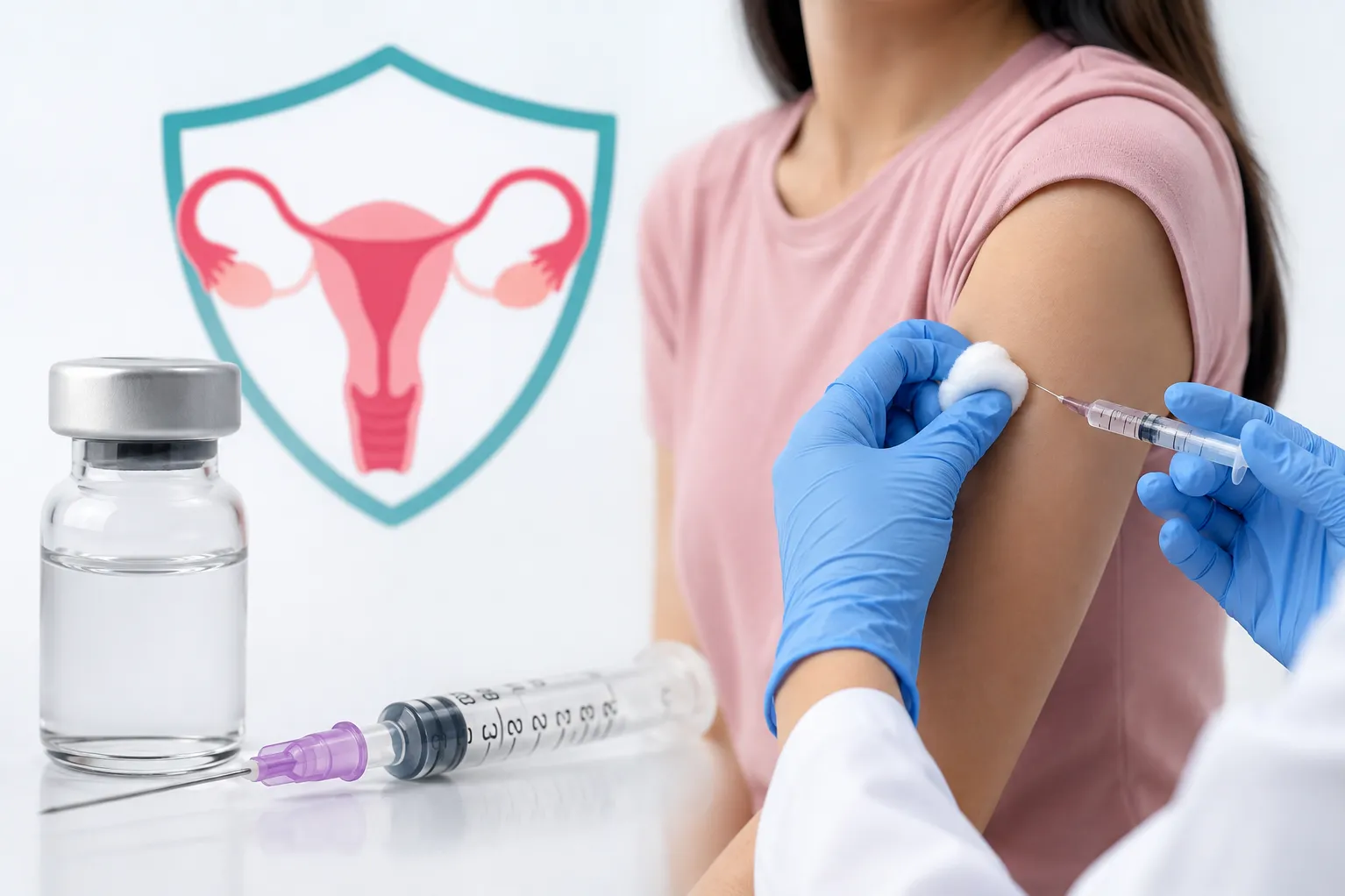
Preventive healthcare has changed significantly over the past decade, with vaccination becoming one of the most effective ways to reduce the risk of several serious diseases. Among these advances, the HPV vaccination plays an important role in protecting against infections that are strongly linked to cervical cancer and certain other HPV-related diseases.
Many parents, adolescents, and young adults have questions about when the vaccine should be given, who should receive it, and whether it remains beneficial later in life. Understanding the facts helps families make informed healthcare decisions.
What Is HPV?
Human Papillomavirus (HPV) is one of the most common viral infections transmitted through intimate skin-to-skin contact. There are many different types of HPV.
While many infections resolve naturally without causing health problems, some high-risk types can lead to:
- Cervical cancer
- Precancerous cervical changes
- Vaginal cancer
- Vulvar cancer
- Anal cancer
- Certain throat cancers
- Genital warts
Vaccination significantly reduces the risk of infection from the most harmful HPV types.
Why Is HPV Vaccination Important?
The vaccine works best before exposure to the virus, making it an effective preventive measure rather than a treatment.
Benefits of HPV vaccination include:
- Reduced risk of cervical cancer
- Protection against several high-risk HPV strains
- Lower chance of developing precancerous cervical lesions
- Protection against genital warts
- Long-lasting immunity
Vaccination complements, but does not replace, routine cervical cancer screening.
Who Should Receive the HPV Vaccine?
The vaccine is recommended for different age groups based on national and international medical guidelines.
It is commonly advised for:
- Adolescent girls before becoming sexually active
- Young women who have not completed vaccination
- Young men, depending on medical recommendations
- Adults who may still benefit after discussion with their healthcare provider
The appropriate vaccination schedule varies according to age at the time of the first dose.
Is the Vaccine Safe?
HPV vaccines have been extensively studied and are considered safe for eligible individuals.
Most side effects are mild and temporary, such as:
- Pain at the injection site
- Mild swelling
- Low-grade fever
- Temporary tiredness
- Mild headache
Serious adverse reactions are uncommon, and healthcare providers monitor patients according to standard vaccination protocols.
Can Adults Still Benefit from Vaccination?
Many adults wonder whether it is too late to receive the HPV vaccine.
The answer depends on factors such as:
- Age
- Previous vaccination history
- Sexual history
- Overall health
- Medical recommendations
Even if someone has been exposed to one HPV type, the vaccine may still offer protection against other high-risk strains. A consultation with a gynecologist helps determine individual eligibility.
Does Vaccination Eliminate the Need for PAP Smears?
No. This is a common misconception.
Even after receiving the HPV vaccine, women should continue recommended cervical cancer screening because:
- The vaccine does not protect against every HPV type.
- Screening can detect abnormal cervical cells that may develop for other reasons.
- Routine preventive care remains essential throughout adult life.
Vaccination and screening work together to provide the best protection against cervical cancer.
What to Discuss Before Getting Vaccinated
Before receiving the vaccine, it is helpful to discuss:
- Your age and eligibility
- Previous vaccine doses
- Pregnancy planning
- Existing medical conditions
- Any history of allergic reactions
- The recommended vaccination schedule
These discussions ensure that vaccination is provided safely and at the appropriate time.
Choosing a Trusted Women's Healthcare Provider
Preventive healthcare decisions are best made with guidance from experienced medical professionals who can explain the benefits, limitations, and recommended follow-up care.
Dr. Chandavakar's Apeksha Maternity and Nursing Home provides HPV vaccination counselling and preventive women's healthcare services in Thane, helping adolescents, young adults, and families make informed decisions about cervical cancer prevention. The team also emphasizes the importance of combining vaccination with regular gynecological check-ups and cervical screening for comprehensive protection.
Preventing disease is always better than treating it. HPV vaccination, together with routine cervical cancer screening and regular gynecological care, provides women with a proactive approach to protecting their reproductive health for years to come.
Keywords