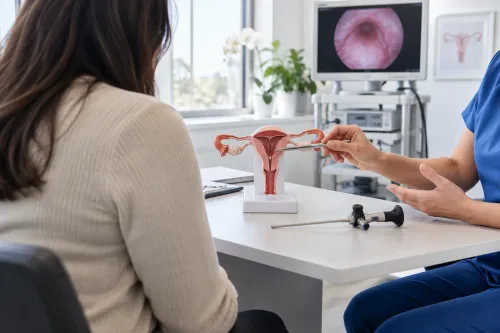
Periods naturally change through adolescence, reproductive years, perimenopause, and menopause. Some variation is expected, but persistent or disruptive changes should not automatically be dismissed as stress, ageing, or a “normal hormonal problem.”
Women seeking menopause and menstrual disorder management in Thane benefit from an evaluation that considers symptoms, age, medical history, pregnancy possibility, and risk factors.
Menstrual Changes That Need Assessment
A consultation may be appropriate for:
- Very heavy bleeding
- Periods lasting longer than usual
- Bleeding between periods
- Bleeding after intercourse
- Cycles that become persistently irregular
- Severe menstrual pain
- Periods stopping unexpectedly
- Weakness, dizziness, or suspected anaemia
- Any bleeding after menopause
Heavy bleeding can contribute to iron-deficiency anaemia. Bleeding after menopause should always be medically assessed, even when it happens only once.
What Can Cause Abnormal Bleeding?
Possible causes vary with age and may include:
- PCOS
- Thyroid disorders
- Fibroids
- Uterine polyps
- Adenomyosis
- Endometriosis
- Pregnancy-related conditions
- Medication effects
- Perimenopausal hormonal changes
- Disorders affecting blood clotting
- Changes in the uterine lining
Most causes are not cancer, but appropriate evaluation is necessary to identify the minority of cases requiring prompt treatment.
Understanding Perimenopause and Menopause
Perimenopause is the transition before menopause. Periods may become less predictable, and women may experience hot flushes, night sweats, sleep disturbance, mood changes, vaginal dryness, discomfort during intercourse, or urinary symptoms.
Menopause is generally recognized after 12 consecutive months without a menstrual period when there is no other cause.
The experience differs considerably among women. Some need only education and lifestyle guidance, while others require treatment because symptoms interfere with sleep, work, relationships, or daily functioning.
How Treatment Is Selected
Management may include:
- Treatment of anaemia
- Non-hormonal medicines
- Hormonal options where suitable
- Management of an underlying uterine condition
- Menopause hormone therapy after individualized assessment
- Local treatment for vaginal or urinary symptoms
- Nutrition, exercise, sleep, and bone-health guidance
- Surgery when a structural condition requires it
Hormonal treatment is not suitable for everyone. Personal and family history, blood pressure, migraine, clotting risk, breast health, liver conditions, unexplained bleeding, and other factors may influence the decision.
Choosing the Right Care Provider
A useful evaluation should not consist only of prescribing tablets to stop bleeding. It should establish whether investigations such as blood tests, ultrasound, cervical screening, endometrial sampling, or hysteroscopy are appropriate.
Dr. Chandavakar's Apeksha Maternity and Nursing Home provides assessment for menstrual irregularities, abnormal bleeding, perimenopausal symptoms, and menopause-related concerns in Thane, Maharashtra.
Patients should bring a menstrual record, medicine list, previous reports, screening history, and details of symptoms. This makes it easier to distinguish a temporary change from a condition that needs active treatment.
Menstrual and menopause care should be based on how symptoms affect the individual, not on the assumption that every woman must simply tolerate them.
Keywords