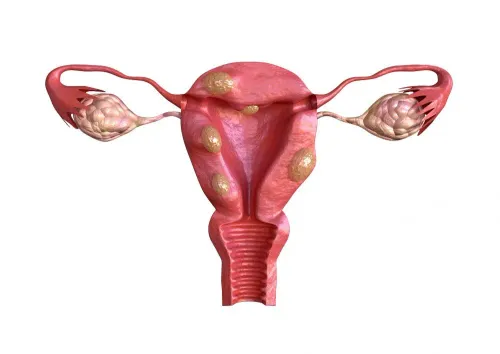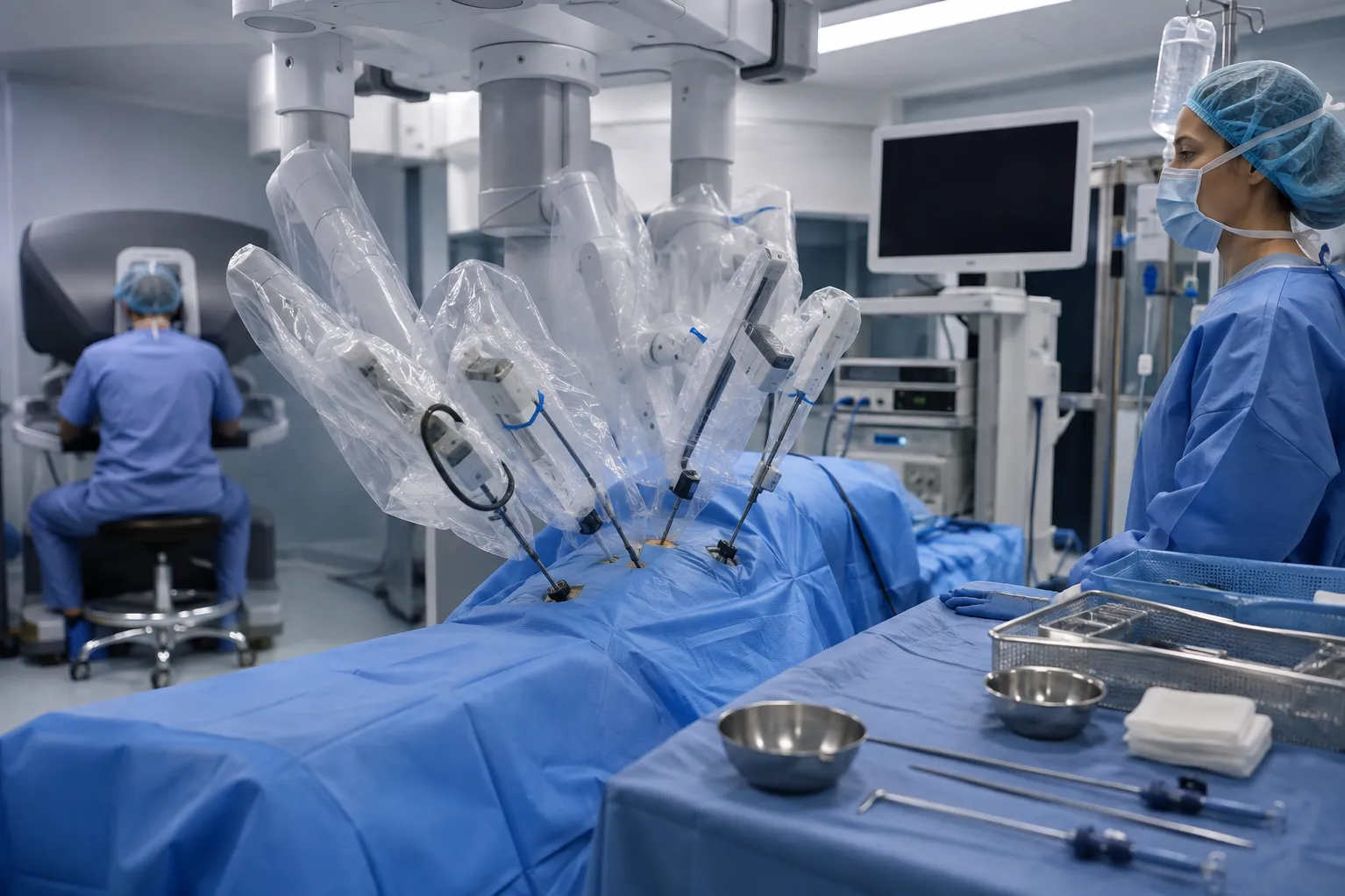
Robotic-assisted surgery is an advanced form of minimally invasive surgery. The surgeon controls specialized instruments from a console while viewing a magnified three-dimensional image of the surgical area. The robot does not make independent decisions or perform the operation by itself.
Patients evaluating robotic gynaecological surgery in Thane should understand what the technology changes, which conditions may be suitable, and why it is not automatically better for every operation.
How Robotic Surgery Differs From Conventional Laparoscopy
Both robotic surgery and conventional laparoscopy generally use small incisions. The main differences involve the instruments, viewing system, and the way the surgeon controls movement.
Robotic systems may provide:
- Magnified three-dimensional visualization
- Instruments with a wide range of movement
- Stable camera control
- Precise movement in confined spaces
- Ergonomic advantages for the operating surgeon
Conventional laparoscopy remains highly effective for many procedures and may involve different equipment, availability, and cost considerations.
Conditions That May Be Treated Robotically
Robotic assistance may be considered in selected operations involving:
- Uterine fibroids
- Endometriosis
- Hysterectomy
- Ovarian or pelvic conditions
- Complex pelvic adhesions
- Uterus-preserving procedures
A diagnosis alone does not establish suitability. The size and location of a lesion, previous surgeries, scar tissue, body structure, anaesthetic risk, fertility goals, and surgeon experience all matter.
Potential Benefits and Important Limitations
Like other minimally invasive approaches, robotic surgery may support smaller incisions, reduced postoperative discomfort, and earlier return to normal activity for suitable patients. These benefits vary by procedure and cannot be guaranteed.
Patients should also consider that:
- Robotic surgery still requires general anaesthesia
- Bleeding, infection, organ injury, and blood clots remain possible
- Conversion to open surgery may occasionally be required
- Recovery depends on the operation, not only the technology
- Robotic assistance may not improve every clinical outcome
- Availability and overall treatment costs may differ
The most advanced platform is not necessarily the correct solution. A familiar and well-indicated surgical approach may be safer than using technology without a clear advantage.
Questions to Discuss With the Surgeon
Before choosing robotic surgery, ask:
- Why is surgery recommended?
- Why is the robotic approach being proposed?
- Could the procedure be performed laparoscopically, hysteroscopically, or openly?
- What experience does the surgeon have with this operation?
- Is organ preservation possible?
- What are the major risks?
- Could the operation be converted to another approach?
- What recovery restrictions should be expected?
- What factors determine the complete cost?
These questions help separate the value of the surgical plan from the appeal of the equipment.
Preparing for Surgery
Preoperative instructions may cover blood tests, imaging, fasting, medication adjustments, anaesthesia assessment, and admission timing. Patients should not stop blood thinners, diabetes medicines, or other prescribed treatment unless the relevant clinician advises them to do so.
Dr. Chandavakar's Apeksha Maternity and Nursing Home offers assessment for minimally invasive and robotic-assisted gynaecological care in Thane. A consultation can clarify whether robotic technology offers a practical advantage for the patient’s particular condition.
A good surgical decision begins with the problem being treated. Technology should support clinical judgment, not replace it. Patients benefit most when the recommended method balances effectiveness, safety, recovery, reproductive goals, and the complexity of the operation.
Keywords